17
11/2026
What Is a Smart PDU Control Board—and Why Does Its ISO 9001 Certification Matter?
Smart PDU control board explained: functions, ISO 9001:2015 certificate 05126Q03324R001, NOA issuer, GB/T 19001-2016, and buyer acceptance checks.
What Is a Smart PDU Control Board—and Why Does Its ISO 9001 Certification Matter?
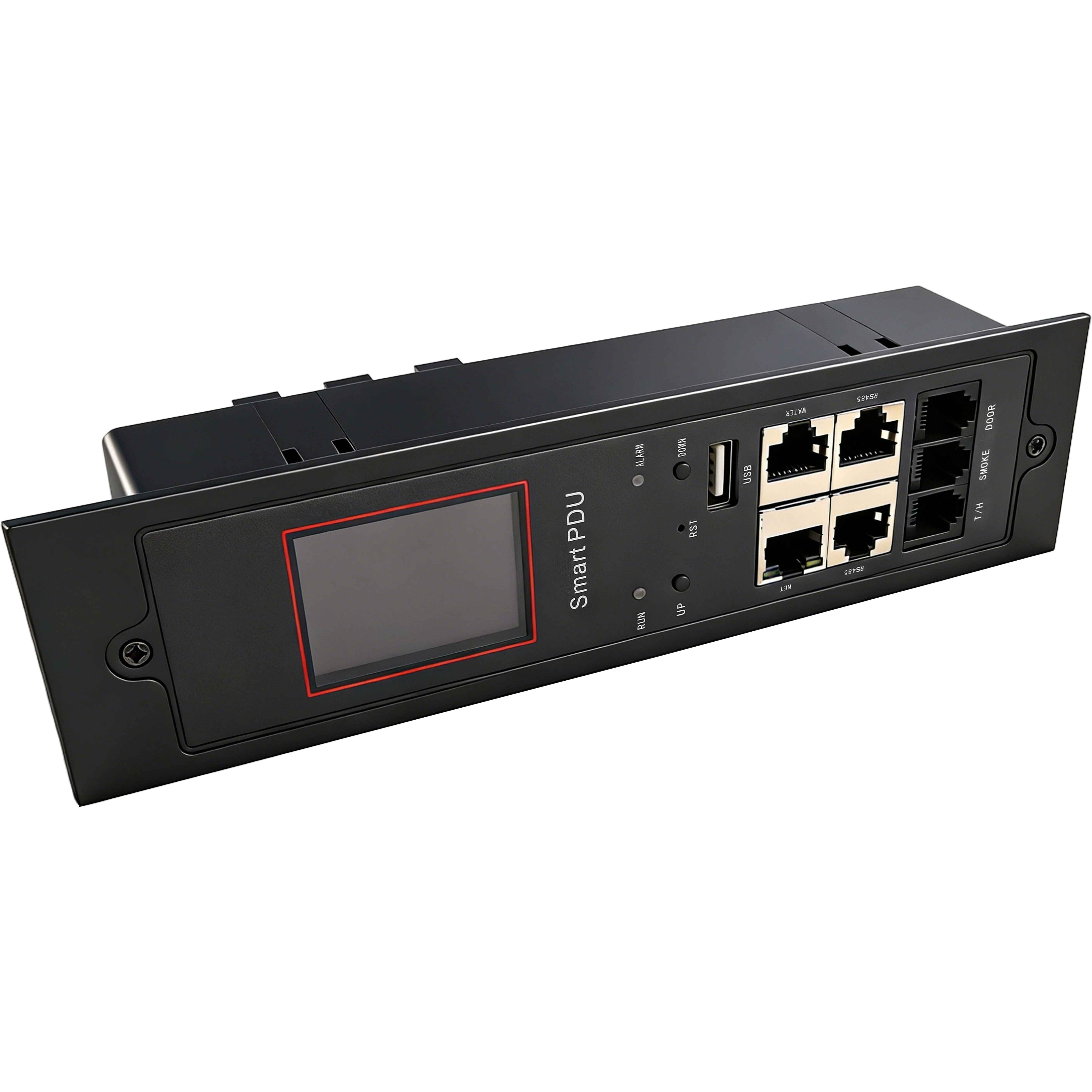
A smart PDU control board is the electronics module inside a smart power distribution unit that coordinates metering, communication, alarm logic, display, and control functions. It is the part that turns a rack power distribution unit into a managed device. Its ISO 9001 certification matters because it gives buyers evidence that the supplier's quality management system has been assessed against a recognized standard. It does not, by itself, prove a specific board's electrical performance, firmware feature set, or product safety. That distinction is the starting point for a serious procurement review.
What a smart PDU control board actually does
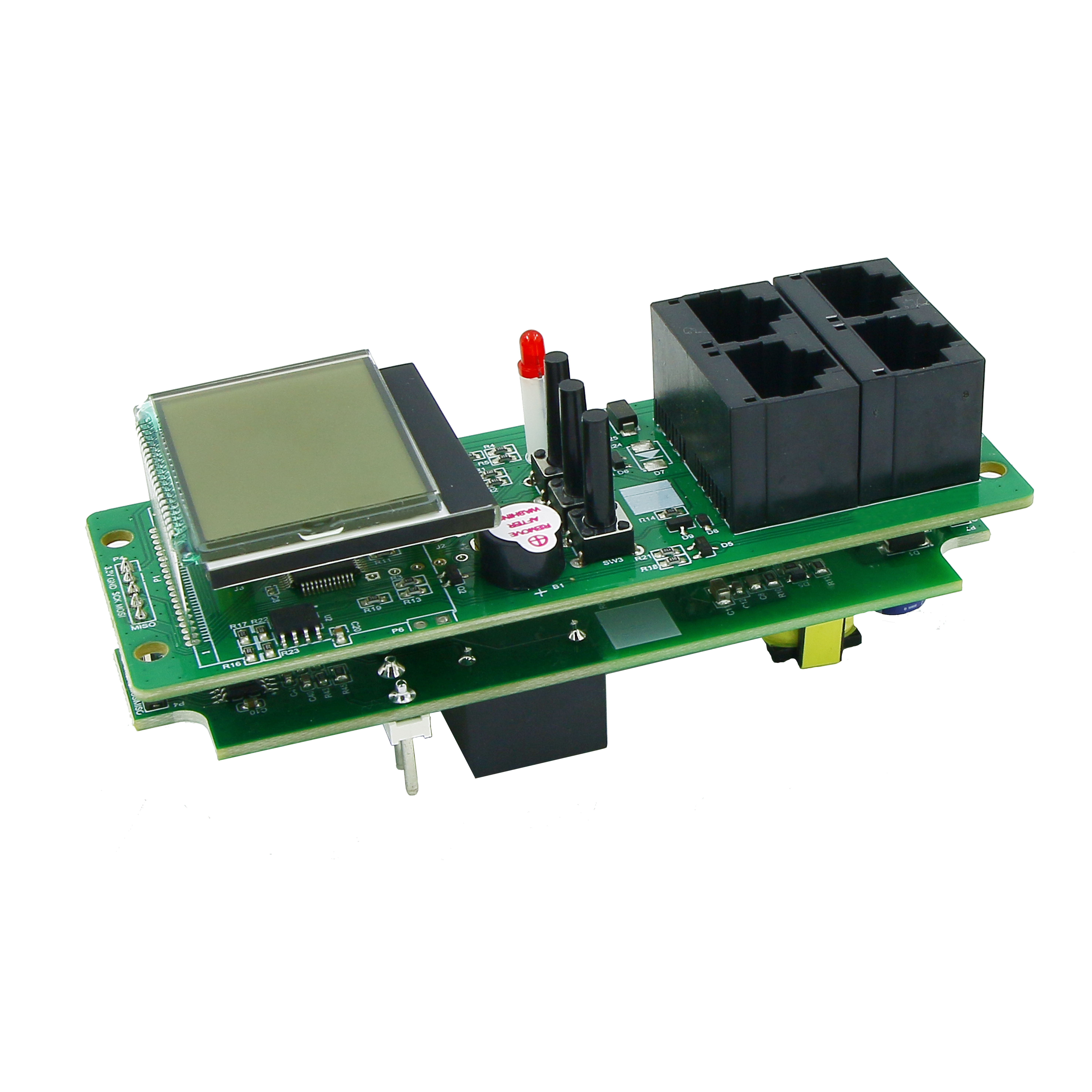
In a smart PDU, the control board is the functional core. It converts electrical measurements into data, applies alarm thresholds, drives the display, and exchanges information with a monitoring system. It also executes control commands such as remote reset or outlet-level switching when the model supports those functions. Without this board, a PDU is a passive power strip with no measurement, no communication, and no alarm logic.
The exact scope depends on the product family. In the BOMPDU Intelligent 2nd generation PDU, the control electronics support RS485 communication with Modbus protocol, a segment code LCD with white background and black text, and overvoltage, undervoltage, and overcurrent alarms with settable parameters. The product specification lists a rated input voltage of AC110V-250V 50/60Hz, a maximum load current of 0-63A, and single-phase or three-phase input. It also describes input measurement of current, voltage, electrical energy, and power, including active, reactive, and apparent power and power factor.
The RS485 PDU family shows the same principle in a more focused format. The BOMPDU 1U/1.5U 485 PDU uses an RS485 interface with Modbus communication protocol. Its specification covers voltage, current, power, and electricity measurement, with a segment code LCD and settable overvoltage, undervoltage, and overcurrent alarms. For buyers, this is the practical difference between a basic PDU and a smart PDU: the control board determines what can be measured, what can be alarmed, and what can be controlled remotely.
Why the control board is more than a circuit board
A PDU control board sits in a harsh electrical environment and is expected to work continuously. In data-center applications, the PDU operates in 24/7 continuous mode under stable server power supply conditions and supports remote power control and energy-consumption monitoring. In telecom base-station applications, the requirements include remote reboot and voltage/current monitoring in outdoor power-supply conditions. In transportation projects, the PDU provides centralized power control and status feedback for road traffic monitoring systems. These are not occasional-use environments.
That is why the control board should be evaluated as a reliability component, not as a generic PCB. Measurement accuracy, alarm threshold behavior, communication stability, display readability, and recovery after power interruption all depend on board design, component selection, firmware, and production consistency. A certificate can support the supplier qualification process, but the buyer still needs model-level evidence that the board meets the project's electrical and environmental requirements.
What ISO 9001 certification covers—and what it does not
ISO 9001:2015 is a quality management system standard. It addresses how an organization plans, controls, monitors, and improves its processes. GB/T 19001-2016/ISO9001:2015 is the Chinese standard aligned with the same ISO 9001:2015 requirements. When a supplier holds a certificate against these standards, the buyer has evidence that an independent certification process has reviewed the organization's quality management system against the standard's requirements.
For the certificate discussed in this article, the reference is 05126Q03324R001, issued by NOA Testing & Certification Group Ltd. The applicable standards are ISO 9001:2015 and GB/T 19001-2016/ISO9001:2015. These details matter because a certificate is only useful when the buyer can match the certificate holder, the standard, the issuer, and the scope to the supplier and product family being considered.
ISO 9001 certification is not a product certification. It does not establish a specific PDU's voltage range, current rating, metering accuracy, IPv6 support, sequential power-on behavior, socket-level monitoring, cascadable master-slave operation, or custom alarm-threshold capability. It also does not replace product safety compliance. The supplied verified data identifies IEC 62368-1:2023 as a mandatory safety standard for ICT and AV equipment including PDUs in most major jurisdictions. A quality management system certificate and a product safety standard answer different questions.
The buyer's distinction: ISO 9001 certification supports confidence in how the supplier manages design, production, and service processes. It does not replace the datasheet, the test report, or the product safety file for the exact model.
The certificate at a glance: 05126Q03324R001
Before using a certificate in a supplier evaluation, read it as a structured record rather than as a logo. The key fields for a smart PDU control board buyer are the certificate reference, the issuer, the standard and version, the certificate holder, the scope, and the validity status.
- Certificate reference: 05126Q03324R001.
- Issuer: NOA Testing & Certification Group Ltd.
- Standard: ISO 9001:2015 and GB/T 19001-2016/ISO9001:2015.
- Subject: Quality management system certification.
- Supplier identity to match: Wuxi Bom Electronic Technology Co., Ltd. (BOMPDU).
Wuxi Bom Electronic Technology Co., Ltd. (BOMPDU) is a Wuxi-based manufacturer established in 2018 that specializes in R&D, production, and sales of end-of-row power distribution solutions for data centers. The company's approved profile lists the Intelligent 2nd generation PDU and the 1U/1.5U 485 PDU as main products, along with more than ten invention patents for PDU products and a production facility described as compliant with ISO 9000 and ISO 14000 standards. The official company website is www.wuxibom.com.
Why design and development control matters to PDU buyers
The control board is where design changes have immediate operational consequences. A change in the measurement circuit can affect current or voltage accuracy. A firmware change can alter alarm thresholds, communication timing, or display behavior. A component substitution can affect thermal performance or long-term reliability. For that reason, a buyer should not stop at the question of whether the supplier has an ISO 9001 certificate. The buyer should ask whether the certified quality management system covers the design and development activities that determine the board's behavior.
ISO 9001:2015 includes design and development controls when design is within the organization's scope. These controls typically address design inputs, design outputs, design review, verification, validation, and change control. The buyer does not need to audit every clause, but the procurement file should show that the supplier can explain how design changes are reviewed, approved, recorded, and communicated. If the certificate scope includes design and development for intelligent PDU control boards, the certificate becomes a useful entry point for that conversation. If the scope does not include design, the certificate still supports production and service process confidence, but it should not be presented as design assurance.
This is especially important for RS485 PDU control boards, where integration details matter. The buyer may need a specific Modbus register map, alarm threshold configuration, baud-rate setting, or remote-reset behavior. Those are model-level and firmware-level questions. A quality management system certificate cannot answer them, but a well-controlled design process makes it more likely that the supplier can provide consistent documentation and change notification.
ISO 9001:2015 and GB/T 19001-2016 in global procurement
ISO 9001 is used across international supply chains because it gives buyers a common reference for quality management. For a Chinese manufacturer selling intelligent PDU control boards to buyers in the USA, Southeast Asia, Europe, or the Middle East, the GB/T 19001-2016/ISO9001:2015 reference helps connect the Chinese certification context to the international standard. The certificate number 05126Q03324R001 and the issuer NOA Testing & Certification Group Ltd. are therefore not decorative details. They are the identifiers a procurement team can check, file, and compare across suppliers.
Global-market applicability still has limits. A quality management system certificate is not a market-access certificate. Electrical safety, EMC, environmental, and other regulatory requirements are separate. The verified data identifies IEC 62368-1:2023 as a mandatory safety standard for ICT and AV equipment including PDUs in most major jurisdictions, but the buyer should confirm the exact requirements for the destination market and the exact product configuration. The certificate supports supplier qualification; it does not replace the compliance file for the product.
The commercial interpretation is straightforward. ISO 9001 certification can reduce supplier-qualification friction because it provides an independently assessed process framework. It can also support consistency across repeated orders if the supplier applies the same quality management system to design, production, inspection, and service. It cannot compensate for a missing datasheet, an unclear certificate scope, or an unverified product feature.
From certificate to factory evidence: what to verify
A practical acceptance review should move from the certificate to the factory evidence and then to the model data. The sequence matters because each document answers a different question.
- Match the legal entity. Confirm that the certificate holder is the same legal entity that will quote, manufacture, and ship the product. For this article, the supplier identity to match is Wuxi Bom Electronic Technology Co., Ltd. (BOMPDU).
- Check the certificate identifiers. Confirm certificate 05126Q03324R001, issuer NOA Testing & Certification Group Ltd., and the standard references ISO 9001:2015 and GB/T 19001-2016/ISO9001:2015.
- Read the scope. Confirm whether the scope covers the activities the buyer is relying on, especially design and development if the project requires control-board customization or firmware changes.
- Check validity and surveillance. A certificate has a validity period and surveillance requirements. The buyer should file the current certificate and confirm that it has not expired or been withdrawn.
- Request design-control evidence. Ask how design inputs, outputs, reviews, verification, validation, and changes are controlled for the control board. This is the bridge between the certificate and the actual product.
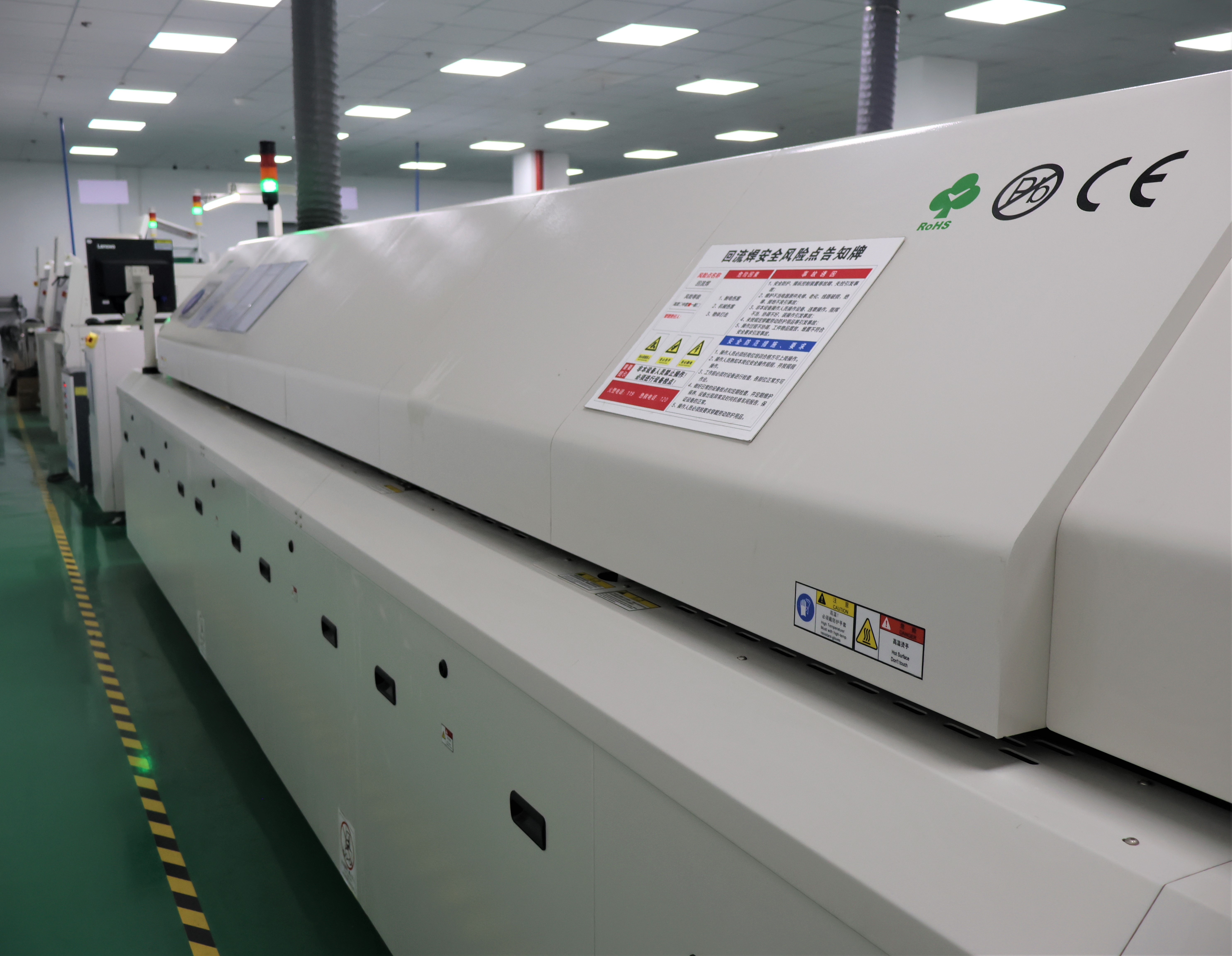
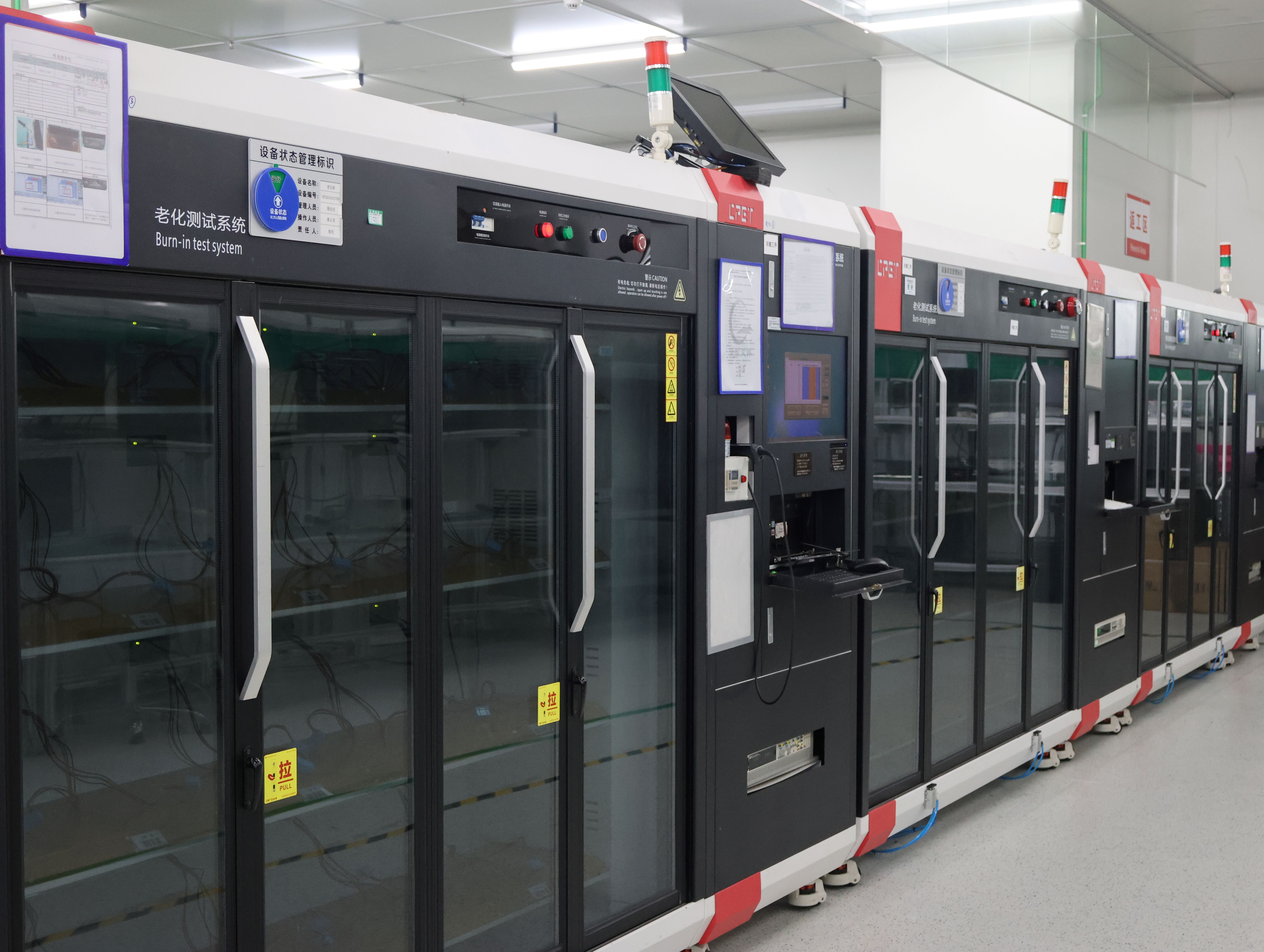
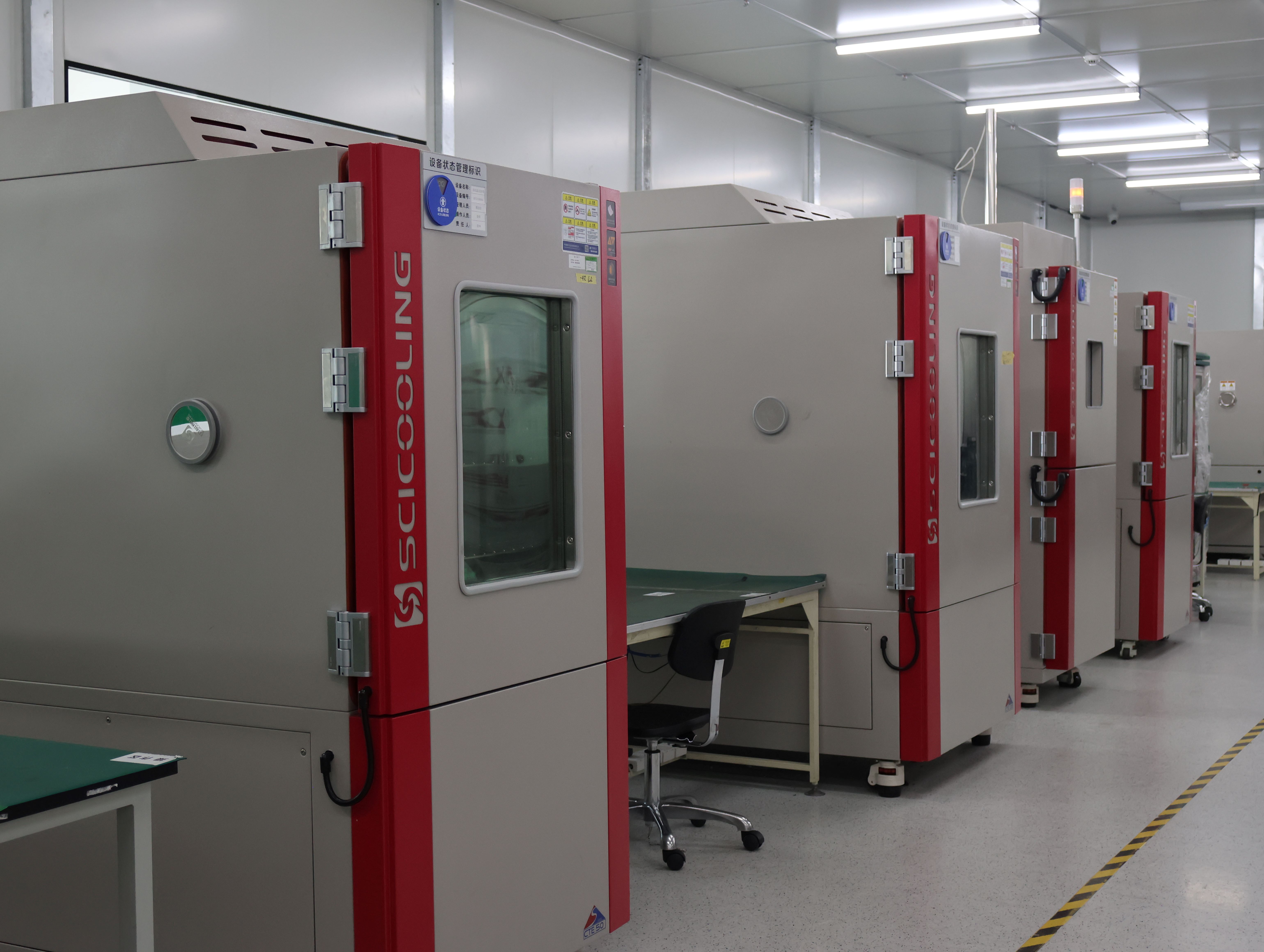
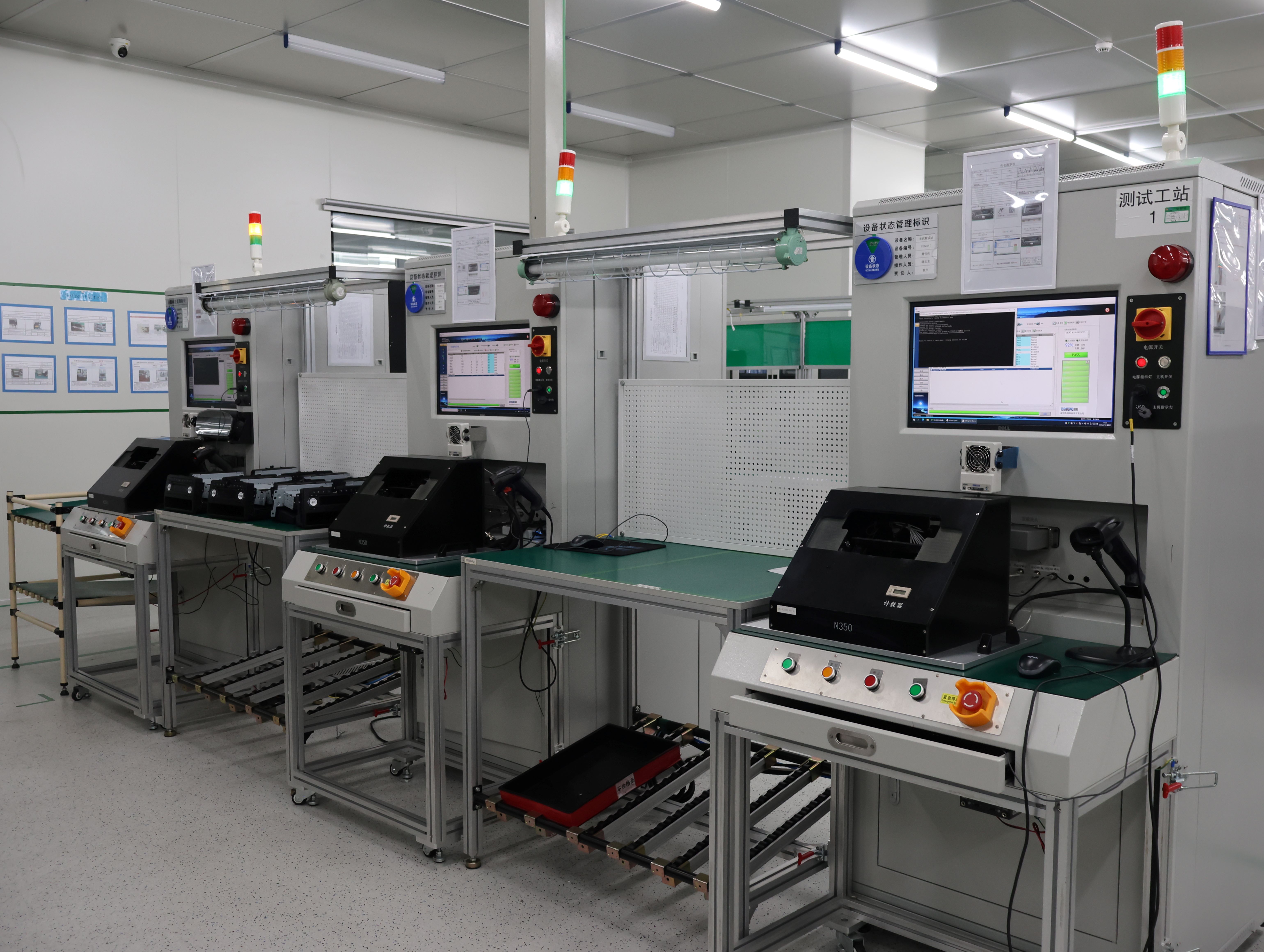
- Request production and test evidence. For electronics, this may include reflow process control, burn-in testing, high-low temperature testing, and functional checks. The evidence should match the product family and the production line.
- Request model-level performance data. Obtain the datasheet and test records for the exact PDU model, including communication protocol, measurement accuracy, alarm functions, and electrical ratings.
- Check product safety separately. Confirm the applicable safety standard and test evidence for the destination market. Do not use the ISO 9001 certificate as a substitute.
RS485 PDU control boards: a practical acceptance path
RS485 PDU control boards are common in projects that need deterministic, wired monitoring and control without relying on an embedded network stack. The BOMPDU 1U/1.5U 485 PDU is specified with an RS485 interface and Modbus communication protocol, voltage/current/power/electricity measurement, a segment code LCD, and settable overvoltage, undervoltage, and overcurrent alarms. These are the functions the buyer should test and document.
For an RS485 control board, the acceptance package should answer questions that a certificate cannot. These include the Modbus register map, supported function codes, baud rate and parity settings, device address range, alarm threshold configuration, measurement accuracy under defined conditions, behavior after communication loss, and remote-reset or control behavior where supported. If the project uses a remote control PDU, the buyer should confirm which commands are available and what fail-safe state the outputs enter if the control link is lost.
The same discipline applies to feature labels that appear in the market. A network-managed PDU may be specified with IPv6 support, sequential power-on, socket-level monitoring, cascadable master-slave operation, or custom alarm thresholds. These are model-level capabilities. They should be verified in the datasheet, firmware documentation, and test report for the exact configuration. The ISO 9001 certificate supports the supplier's process discipline, but it does not certify the feature set.
Use cases: where control-board reliability shows up
The control board's importance becomes clearer when the PDU is placed in its actual operating context. The supplied application profiles show several distinct demands.
- Data center and cloud computing: 24/7 continuous operation, remote power control, energy-consumption monitoring, over-current protection, and remote reset. The exact communication protocol should be confirmed per model because the intelligent 2nd generation PDU specification lists RS485/Modbus.
- Telecommunications: outdoor base-station power supply, remote reboot, voltage and current monitoring, wide temperature range, and lightning protection.
- Government and command centers: hierarchical power management, fault alarm, dual power input, and high reliability for emergency command systems.
- Transportation: centralized power control and status feedback for intelligent traffic systems, with surge protection and rail-mount installation requirements.
- Industrial automation and manufacturing: power control via RS485, status collection, Modbus-RTU communication, and anti-interference requirements on automated production lines.
In each case, the buyer is not only purchasing a power outlet. The buyer is purchasing a monitored and controllable power path. The control board is the component that makes that path observable and manageable, so its design and production controls deserve the same attention as the outlet rating or the enclosure.
Certificate, datasheet, and product safety: three different documents
Procurement teams sometimes treat an ISO 9001 certificate as if it were a product datasheet or a safety certificate. The table below separates the roles using the facts available for this article.
| Document or evidence | What it establishes | What it does not establish | How the buyer should use it |
|---|---|---|---|
| ISO 9001:2015 certificate 05126Q03324R001, issued by NOA Testing & Certification Group Ltd. | That a quality management system has been certified against ISO 9001:2015 and GB/T 19001-2016/ISO9001:2015. | A specific PDU's electrical rating, metering accuracy, IPv6 support, sequential power-on, socket-level monitoring, or product safety compliance. | Use it for supplier qualification and to open a process-control conversation. Confirm the scope, holder, and validity. |
| Model datasheet and test report | The stated functions, ratings, communication protocol, measurement ranges, alarm behavior, and operating conditions for the exact model. | Independent verification of every claim, unless the test report and conditions are supplied and reviewed. | Match the datasheet to the project requirement and request model-specific test evidence. |
| IEC 62368-1:2023 safety standard evidence | Compliance with the applicable product safety standard for ICT and AV equipment, including PDUs, in the relevant jurisdiction. | Quality management system certification or a specific feature set beyond the safety scope. | Keep it in the product compliance file and check the destination-market requirements separately. |
Frequently asked questions
What is a smart PDU control board?
A smart PDU control board is the electronics module inside a smart power distribution unit that coordinates measurement, communication, alarm logic, display, and control. In BOMPDU's Intelligent 2nd generation PDU, the control electronics support RS485/Modbus communication, a segment code LCD, and settable overvoltage, undervoltage, and overcurrent alarms. In the 1U/1.5U 485 PDU, the board supports RS485/Modbus communication and voltage, current, power, and electricity measurement.
Does ISO 9001 certify the control board itself?
No. ISO 9001:2015 certifies a quality management system, not a specific control board or PDU model. Certificate 05126Q03324R001, issued by NOA Testing & Certification Group Ltd., is a quality management system certificate against ISO 9001:2015 and GB/T 19001-2016/ISO9001:2015. It supports supplier qualification but does not replace model-level datasheets, test reports, or product safety evidence.
What do ISO 9001:2015 and GB/T 19001-2016/ISO9001:2015 mean for a buyer?
ISO 9001:2015 is the international quality management system standard. GB/T 19001-2016/ISO9001:2015 is the Chinese standard aligned with the same ISO 9001:2015 requirements. For a buyer, the two references show that the certificate is connected to a recognized quality management framework. The buyer should still confirm the certificate holder, scope, issuer, and validity before relying on it.
Who issued certificate 05126Q03324R001?
Certificate 05126Q03324R001 was issued by NOA Testing & Certification Group Ltd. The certificate reference and issuer should be checked against the supplier's legal entity and the current certificate copy. The buyer should also confirm that the standard references are ISO 9001:2015 and GB/T 19001-2016/ISO9001:2015.
Does ISO 9001 certification prove IPv6, sequential power-on, or cascadable master-slave capability?
No. Those are model-level or firmware-level features. A network-managed PDU may be offered with IPv6 support, sequential power-on, socket-level monitoring, cascadable master-slave operation, or custom alarm thresholds, but each feature must be verified in the exact model's datasheet and test documentation. The ISO 9001 certificate supports process confidence, not feature certification.
What should procurement verify before accepting an RS485 PDU control board?
Procurement should verify the certificate holder, certificate number 05126Q03324R001, issuer NOA Testing & Certification Group Ltd., standard references, scope, and validity. It should then request the exact model datasheet, Modbus register map, alarm threshold configuration, measurement accuracy data, communication settings, and production test records. Product safety evidence should be checked separately. To review BOMPDU's current PDU documentation and certificate package, request the datasheet and certificate copy, and download the BOMPDU product brochure.
Conclusion
A smart PDU control board is the component that gives a rack PDU its measurement, communication, alarm, and control capability. It is also the component most exposed to design changes, production variation, and integration requirements. The ISO 9001 certificate 05126Q03324R001, issued by NOA Testing & Certification Group Ltd. against ISO 9001:2015 and GB/T 19001-2016/ISO9001:2015, is useful evidence that the supplier's quality management system has been assessed against a recognized standard. It is not a substitute for the model datasheet, the test report, or the product safety file.
For buyers evaluating BOMPDU intelligent PDU or RS485 PDU control boards, the practical path is to treat the certificate as a starting point. Match the legal entity, read the scope, confirm the standard and validity, then move to design-control evidence, production test evidence, and model-level performance data. That sequence keeps the certification claim in its proper place and gives the procurement team a defensible basis for supplier qualification.
For sample evaluation, current specifications, or a certificate copy, contact BOMPDU through www.wuxibom.com or download the product brochure.