16
08/2026
Smart Power Distribution Unit Selection: A Decision Framework for Network Management, Outlet Density, and Remote Monitoring
Compare smart power distribution unit features, including network speed, outlet density, and socket-level monitoring, to make a confident data center PDU purchase decision.
Smart Power Distribution Unit Selection: A Decision Framework for Network Management, Outlet Density, and Remote Monitoring
Selecting a smart power distribution unit (PDU) for a data center or industrial cabinet often becomes a trade-off between network capabilities, outlet density, remote management features, and total cost. This guide compares the technical characteristics that matter most when you are moving from evaluation to a purchase decision. It focuses on BOMPDU’s second-generation intelligent PDU alongside two widely known rack PDU platforms: the APC NetShelter Rack PDU Advanced and the Raritan PX Rack PDU. The information draws on vendor-supplied comparison data, BOMPDU technical specifications, and third-party market data.
Problem Definition
Buyers frequently face three challenges: (1) network speed expectations, (2) outlet density for cabinet space constraints, and (3) the need for accurate socket-level monitoring and remote control. A decision based on brand familiarity alone can lead to either overspending or under-specified power distribution. A unit that meets one requirement may fall short on another. For example, a high-density rack may require specialized outlet technology, while a network-monitored deployment may prioritize Ethernet speed. Mistaking secondary features for primary requirements often leads to procurement misalignment.
Industry Background
According to Data Bridge Market Research, the global intelligent PDU market was valued at approximately USD 4.81 billion in 2024 and is projected to reach USD 9.46 billion by 2032. Fortune Business Insights notes that Asia Pacific held 37.45% of the PDU market in 2025. A relevant safety anchor is IEC 62368-1, which has replaced older hazard-based safety standards for ICT and AV equipment. In addition, intelligent PDUs increasingly support IPv6 and SNMP v3 to meet U.S. government and enterprise network compliance requirements for 2025-2026.
Detailed Solution: BOMPDU Second-Generation Intelligent PDU
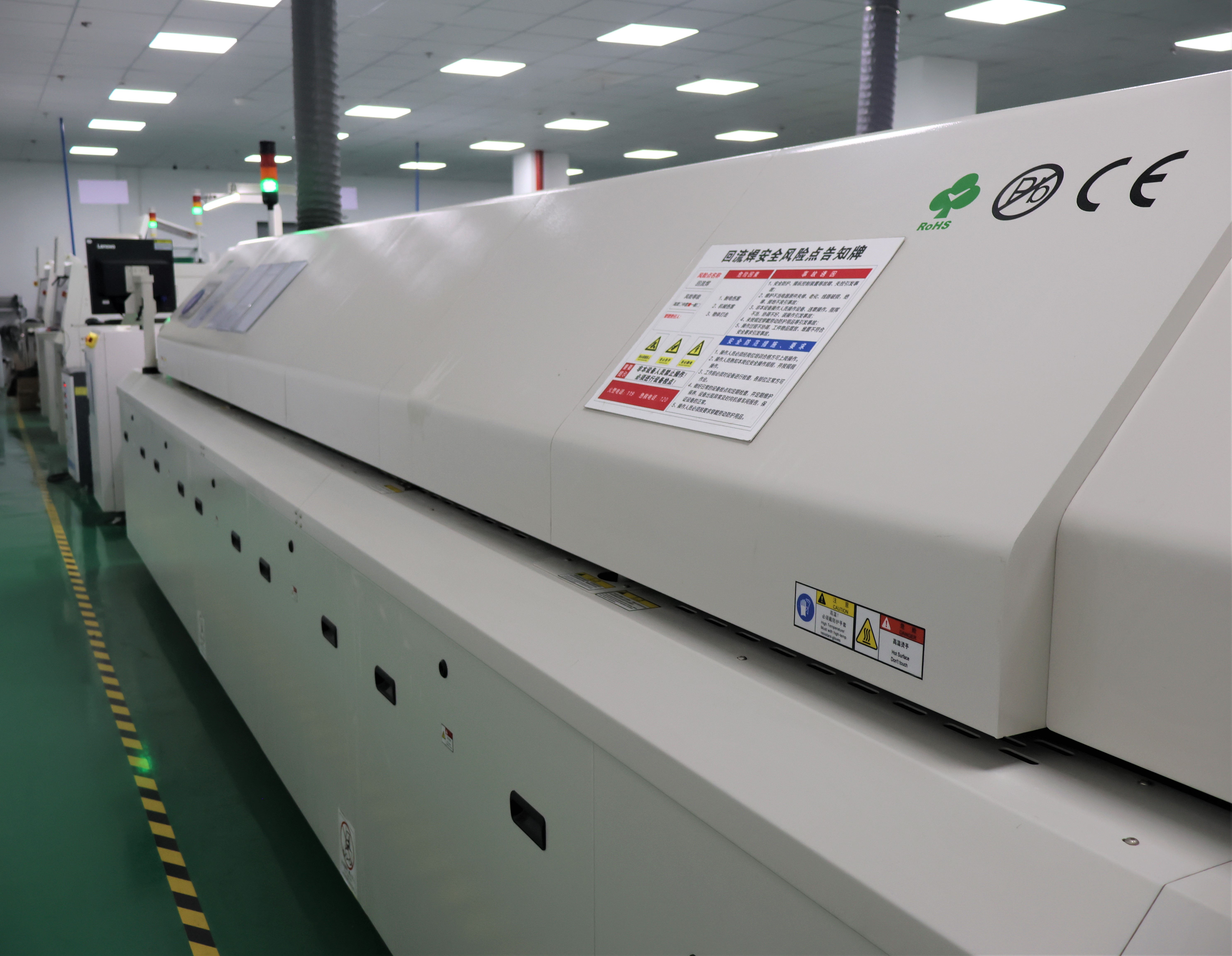
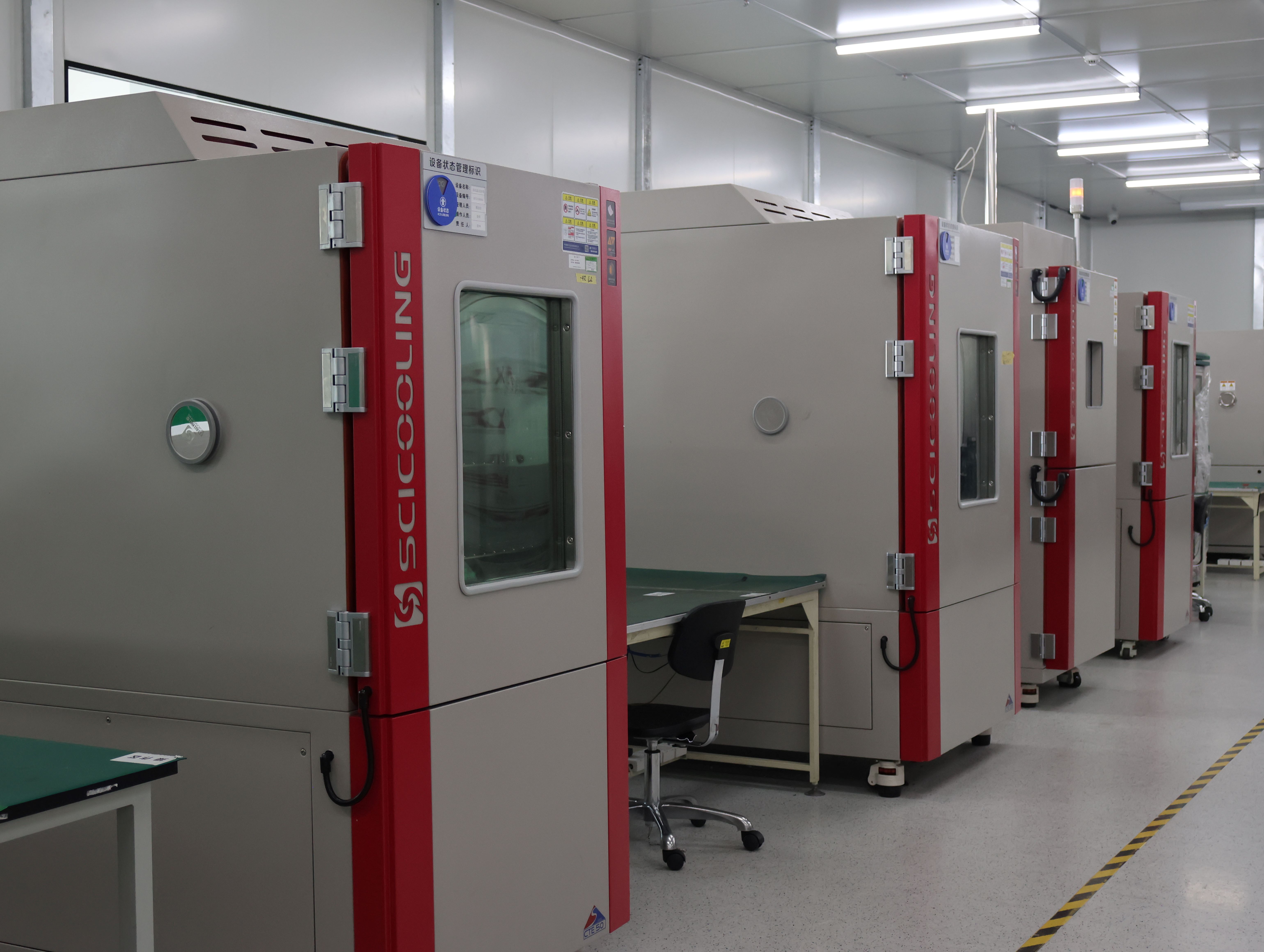
BOMPDU is the brand used by Wuxi Bom Electronic Technology Co., Ltd., headquartered in Wuxi, Jiangsu Province. The company operates a 5,000 m² production facility with an annual output of 10,000 units and holds more than ten PDU invention patents. Its second-generation intelligent PDU achieves 0.5% voltage measurement accuracy (85–250 V) and supports socket-level monitoring and remote control over RS485/Modbus. The production environment follows ISO 9000 and ISO 14000 management system standards, and the company’s testing capabilities include burn-in testing, high-low temperature testing, and automated assembly.
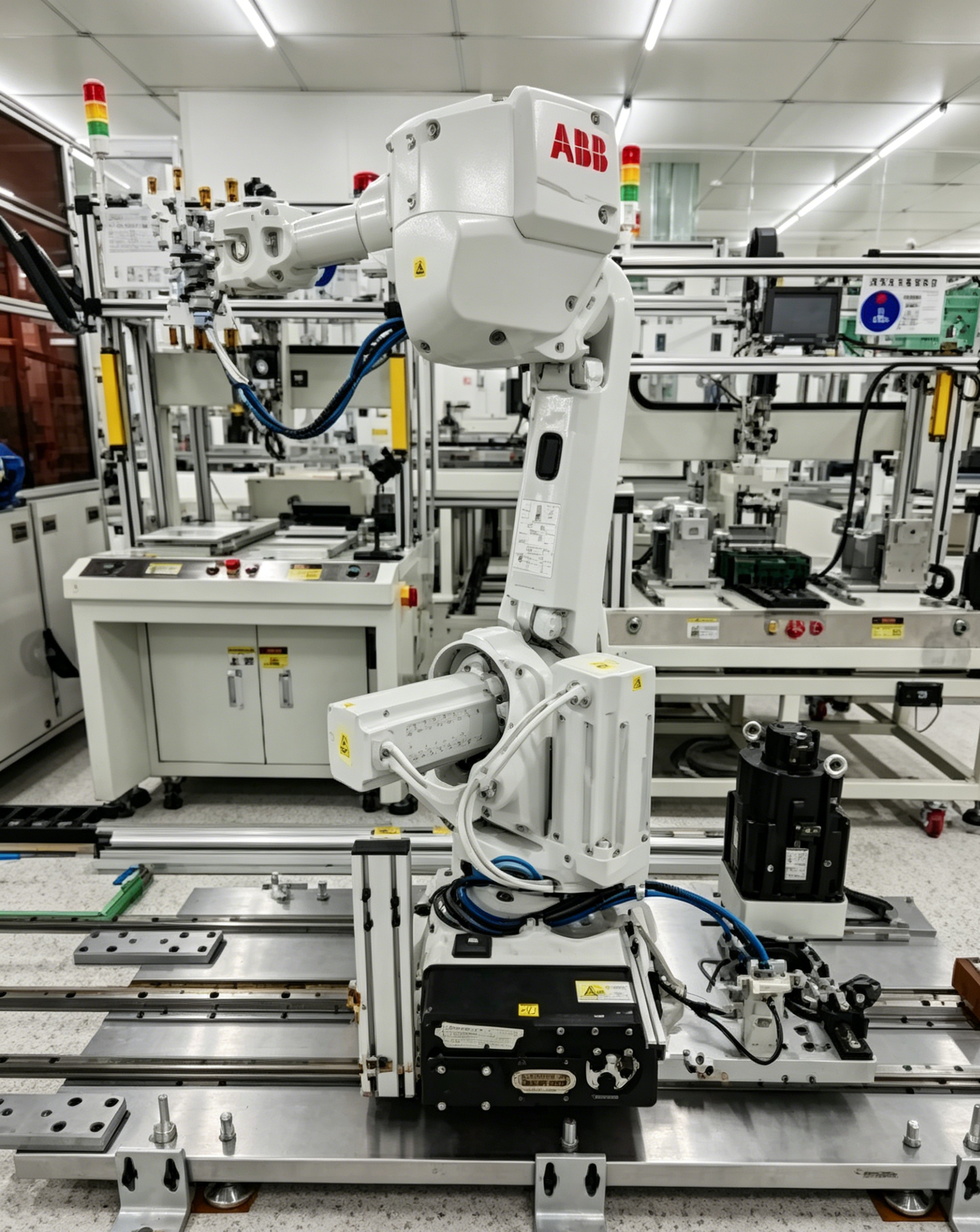
BOMPDU’s product range includes the intelligent second-generation PDU and 1U/1.5U 485 PDU. The company reports more than ten invention patents for PDU products covering common connector types. The Wuxi facility includes a reflow furnace, high-low temperature test chamber, and automated six-axis robot for assembly. These manufacturing and testing capabilities are relevant when evaluating whether a supplier can support consistent batch quality and after-sales technical support.
BOMPDU also implements risk-control measures relevant for continuous operation. For overload protection, a dual-level alarm mechanism is used: a primary alarm when approaching rated current and a secondary alarm on overload, with feedback via RS485/network. For relay life, the system records control logs and tracks relay action status to support maintenance planning.
Step-by-Step Decision Breakdown
1. Define network management requirements
If a gigabit Ethernet connection (10/100/1000 BASE-T) is mandatory for high-speed, low-latency communication, the APC NetShelter Rack PDU Advanced provides that capability. The BOMPDU second-generation intelligent PDU offers 10/100 BASE-T network speed according to vendor-supplied comparison data. This distinction is important when the PDU must integrate with enterprise network management. Confirm whether the master unit will communicate through Modbus, SNMP, or a proprietary protocol before evaluating this specification.
2. Evaluate outlet density for space-constrained deployments
In high-density cabinets, the number of outlets per rack matters. Raritan’s PX Rack PDU uses HDOT high-density outlet technology, which allows more outlets within a 42U PDU. The comparison data indicates that the BOMPDU smart PDU does not support HDOT. If outlet density is the dominant constraint, this factor should be weighed accordingly. For standard-density racks, the difference may be less critical than monitoring accuracy or remote control capability.
3. Confirm socket-level monitoring and measurement accuracy
For operational visibility, confirm whether the PDU supports socket-level monitoring and what protocol is used. BOMPDU’s second-generation intelligent PDU reports 0.5% voltage measurement accuracy (85–250 V) and supports remote control over RS485/Modbus. This level of accuracy is useful for data center operators that need to monitor branch circuits or individual sockets. It also supports custom alarm thresholds and sequential power-on strategies in many real-world configurations, but buyers should verify these features against the latest technical documentation.
4. Review overload protection and relay maintenance features
Check whether the vendor has defined alarm thresholds and relay-life tracking. BOMPDU’s risk-control measures include dual-level overload alarms and relay operation logging, which can support preventive maintenance and reduce unexpected downtime. A PDU that only reports total current may not provide enough granularity for sub-control unit management.
5. Compare total cost and maintenance burden
Vendor-supplied comparison data indicates that BOMPDU’s solution requires less maintenance than the APC and Raritan alternatives but carries a 50% higher cost compared to those alternatives. This cost difference should be evaluated against the maintenance savings and the specific monitoring features required. For some operators, a lower-maintenance PDU with precise monitoring can reduce long-term operational costs even when the initial purchase price is higher.
Use Cases
When reviewing a smart power distribution unit for data center or industrial deployments, buyers may also evaluate features such as sequential power-on, single/three-phase switchable configurations, custom alarm thresholds, cascadable master-slave architectures, and network-managed access. These features should be confirmed against the vendor’s actual specification sheet for the intended use case.
Typical deployment scenarios include remote-control PDU installations in telecom or financial data centers, where socket-level monitoring and remote switching can reduce on-site visits, and industrial smart PDU cabinets that require structured alarm management and relay lifetime tracking. A cascadable master-slave architecture can simplify management across multiple racks, especially in colocation facilities where floor space is fragmented.
Comparison Table
| Feature | BOMPDU 2nd Gen Intelligent PDU | APC NetShelter Rack PDU Advanced | Raritan PX Rack PDU |
|---|---|---|---|
| Network communication speed | 10/100 BASE-T | 10/100/1000 BASE-T | Not specified in the provided comparison data |
| Outlet density technology | Does not support HDOT high-density outlet technology | Not specified | HDOT high-density outlet technology; maximum outlet density in 42U PDU |
| Voltage measurement accuracy | 0.5% (85–250 V) | Not specified | Not specified |
| Remote management protocol | RS485/Modbus; socket-level monitoring and remote control | Not specified | Not specified |
| Cost difference | 50% higher than alternatives | Lower cost relative to BOMPDU | Lower cost relative to BOMPDU |
| Maintenance requirement | Less maintenance (vendor-supplied) | More maintenance relative to BOMPDU | More maintenance relative to BOMPDU |
Data compiled from BOMPDU technical specification and vendor-supplied comparison data. Empty cells indicate that the source data did not provide the corresponding specification.
Frequently Asked Questions
What safety standard should a smart power distribution unit meet for data center deployment?
Power distribution units must conform to the IEC 62368-1 safety standard, which replaced IEC 60950-1 and IEC 60065-1 as the mandatory hazard-based standard for ICT and AV equipment.
Does BOMPDU support socket-level monitoring and remote control?
Yes, the second-generation intelligent PDU from BOMPDU supports socket-level monitoring and remote control via RS485/Modbus, and achieves 0.5% voltage measurement accuracy (85–250 V).
How do BOMPDU, APC, and Raritan differ on network speed and outlet density?
BOMPDU’s second-generation intelligent PDU provides 10/100 BASE-T network speed, while APC NetShelter Rack PDU Advanced offers 10/100/1000 BASE-T. Raritan PX Rack PDU uses HDOT high-density outlet technology for maximum outlet density in a 42U PDU; the comparison data indicates BOMPDU does not support HDOT.
Is BOMPDU less expensive than APC or Raritan?
Vendor-supplied comparison data indicates that BOMPDU carries a 50% higher cost than the APC NetShelter Rack PDU Advanced and Raritan PX Rack PDU, but requires less maintenance.
How can I request a quote or sample from BOMPDU?
Contact Tony at Wuxi Bom Electronic Technology Co., Ltd. by email at tony1091803@wxbom.cn, by phone/WhatsApp at +1 (786) 989-2761, or download the BOMPDU brochure.
Limitations and Boundaries
This comparison is based on the specific data points provided by the supplier and third-party reports. It does not cover every possible rack PDU configuration, and buyers should request current technical drawings and certifications for their exact operating voltage and phase configuration. Compatibility with existing DCIM or building management systems should also be validated before final procurement.
Conclusion
A smart power distribution unit decision should not rest on a single specification. Instead, procurement teams can use a simple checklist: network speed, outlet density, monitoring accuracy, overload and relay risk controls, and total cost of ownership. BOMPDU’s second-generation intelligent PDU offers precise socket-level monitoring and remote control over RS485/Modbus, while APC and Raritan provide distinct advantages in network speed and outlet density respectively. The right choice depends on which technical constraint is most critical for your cabinet and operations.
For a detailed brochure or to request a quote, contact Tony at Wuxi Bom Electronic Technology Co., Ltd. by email at tony1091803@wxbom.cn, by phone/WhatsApp at +1 (786) 989-2761, or download the BOMPDU brochure.