16
07/2026
Smart Power Distribution Unit: Remote Control, Socket-Level Monitoring, and Compliance Essentials for 2026
Technical guide to Smart PDUs: socket-level remote control, monitoring accuracy, IPv6/Modbus compliance, and BOMPDU's Intelligent 2nd generation PDU certifications for data centers in 2026.
Smart Power Distribution Unit: Remote Control, Socket-Level Monitoring, and Compliance Essentials for 2026
As data center power densities increase and sustainability targets tighten, procurement and engineering teams need Smart Power Distribution Units (PDUs) that go beyond basic power delivery. This guide examines the core requirements for a modern smart PDU—remote switching, socket-level telemetry, network manageability, and regulatory compliance—and evaluates how the BOMPDU Intelligent 2nd generation PDU meets those criteria. BOMPDU (Wuxi Bom Electronic Technology Co., Ltd.) is a China-based manufacturer specializing in end-of-row power distribution solutions for data centers, telecommunications, and industrial environments.
Defining the Challenge
Facility and IT managers face a growing list of constraints when selecting PDUs:
- Remote power control – the ability to turn individual outlets on/off or reboot devices without a site visit.
- Socket-level monitoring – real‑time current, voltage, energy, and power per outlet to track utilization and detect anomalies.
- Network and protocol compliance – support for IPv6, SNMP v3, and RS‑485/Modbus to integrate with modern DCIM and security frameworks.
- Certification and standards – software copyright registration and adherence to safety norms such as IEC 62368-1.
- Customisation and lead time – ability to tailor input phase, outlet count, metering scope, and alarm thresholds under reasonable MOQ and delivery schedules.
Industry Context
The global Intelligent PDU market was valued at approximately USD 4.81 billion in 2024 and is projected to reach USD 9.46 billion by 2032 (Data Bridge Market Research). Asia Pacific held a 37.45% share in 2025, propelled by rapid data center build-out and industrial automation (Fortune Business Insights). Growing adoption of high‑density AI racks (up to 132 kW) is driving demand for three‑phase, socket‑level intelligent units. Meanwhile, U.S. government and enterprise networks increasingly require IPv6 and SNMP v3 compliance, a trend that BOMPDU addresses through its RS‑485/Modbus architecture and optional network management modules.
Detailed Solution: BOMPDU Intelligent 2nd Generation PDU
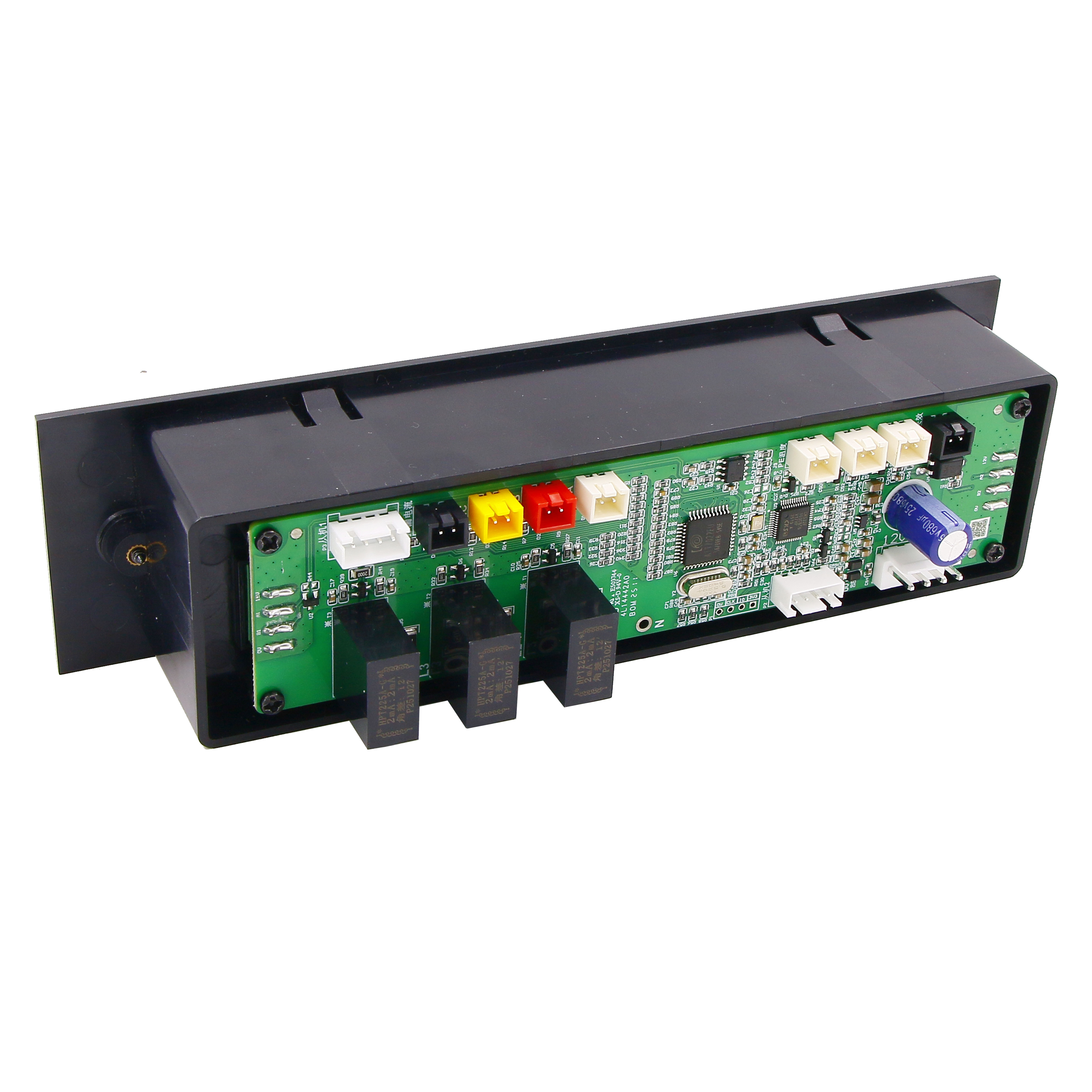
The BOMPDU Intelligent 2nd generation PDU product (model series equipped with auxiliary modules) is a network‑managed power distribution unit designed for continuous 24/7 operation in data centers, telecom base stations, government command centers, and automated production lines. Key technical attributes derived from verified specifications include:
- Input: Single‑phase or three‑phase AC, 110 V–250 V, 50/60 Hz, maximum load up to 63 A.
- Measurement accuracy: Voltage accuracy 0.5% (85 V–250 V); current accuracy 0.5% (3.1 A–63 A) and Level 1 (0.65 A–3.1 A).
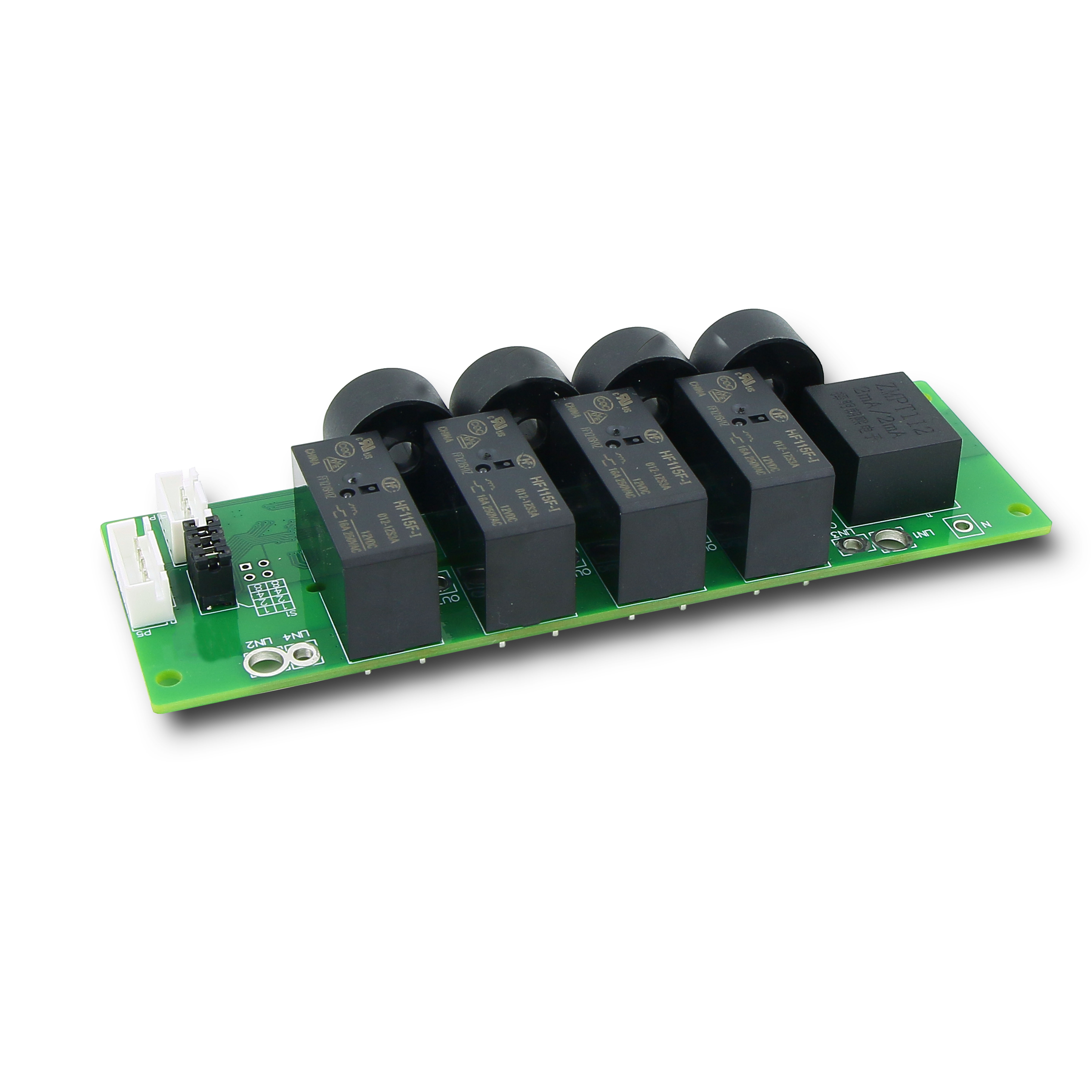
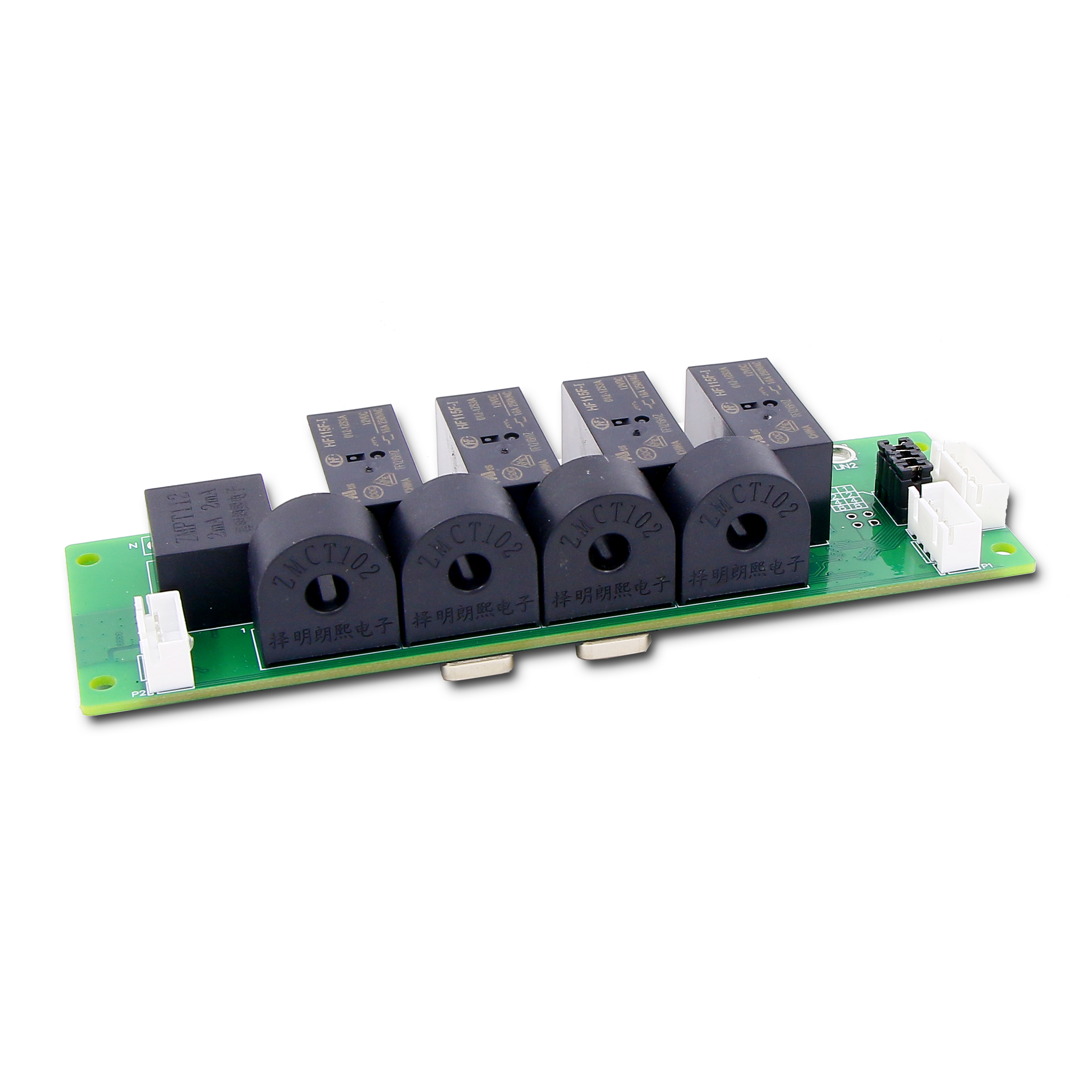
- Socket‑level output: Each auxiliary module provides 4 output channels; the main module supports up to 8 auxiliary modules. Single‑channel max 16 A, single‑board max 32 A.
- Monitoring per output: Current, voltage, active/reactive/apparent power, power factor, and energy. Output voltage accuracy 1% (85 V–250 V), current monitoring range 0.2 A–16 A with 1% accuracy from 0.8 A to 16 A.
- Remote control: Separate on/off control per socket via RS‑485/Modbus.
- Alarm functions: Over‑voltage, under‑voltage, and over‑current alarms with configurable thresholds.
- Certification: Covered by Computer Software Copyright Registration No. 2024SR1888355, issued by the National Copyright Administration of the People’s Republic of China, applicable to the China market and compliant with the Regulations on the Protection of Computer Software.
- Physical construction: Metal, plastic, and aluminum profiles; suitable for 19‑inch racks.
Step‑by‑Step Deployment Workflow
- Specify requirements – Determine single‑phase vs. three‑phase input, number of outlets needed, and whether socket‑level control is required.
- Select auxiliary modules – For example, a main module driving up to eight 4‑outlet auxiliary modules yields up to 32 individually managed sockets.
- Configure alarm thresholds – Set over‑voltage, under‑voltage, and over‑current limits via the on‑board LCD interface or remote command.
- Integrate with monitoring system – Connect RS‑485 bus to a Modbus gateway or directly to a DCIM controller for real‑time data collection.
- Deploy and commission – Install in standard 19″ rack, connect input power, and test remote on/off and telemetry accuracy.
- Ongoing management – Use the RS‑485/Modbus interface to poll socket data, receive alarms, and perform remote power cycling as needed.
Real‑World Use Cases
Airport Data Center (800 units)
An airport data center deployed 800 BOMPDU Intelligent 2nd generation PDU units to monitor electricity usage per rack. With 3 years of stable operation, the highlight was real‑time monitoring of current, voltage, energy, and power for each socket, enabling precise capacity planning and early fault detection.
Data Center Server Manufacturer (2,000 units)
A server manufacturer integrated 2,000 BOMPDU PDUs into its aging test racks. Over 2 years, remote on/off control and real‑time monitoring allowed unattended operation, reducing manual intervention and accelerating test cycles.
Comparison: Key Capabilities vs. Typical Industry Baseline
| Capability | BOMPDU Intelligent 2nd Gen PDU | Typical Industry Baseline (2025–2026) |
|---|---|---|
| Socket‑level remote control | Yes – separate on/off per outlet | Common for mid‑range and above |
| Socket‑level power measurement | Current, voltage, active/reactive/apparent power, energy, power factor | Usually current + voltage; full power metrics less common at socket level |
| Input voltage accuracy | 0.5% (85–250 V) | 1–2% typical for basic PDUs |
| Current measurement accuracy (≥ 3.1 A) | Level 0.5 | Level 1 common for many brands |
| Communication interface | RS‑485, Modbus | RS‑485/Modbus; some models add SNMP, IPv6 via optional gateway |
| IPv6 / SNMP v3 support | Via RS‑485 to Modbus/SNMP converter | Increasingly required for enterprise & government (2025 trend) |
| Software copyright certification | Yes – 2024SR1888355 (China National Copyright Administration) | Many manufacturers lack independent software registration |
| Customisation (OEM/ODM) | Input phase, outlet count, metering & control customization; MOQ 2 units, lead time 30 days | Varies widely; many require higher MOQ |
Frequently Asked Questions
What certifications does the BOMPDU Smart PDU hold?
The BOMPDU Intelligent 2nd generation PDU product is covered by a Computer Software Copyright Registration (certification number 2024SR1888355) issued by the National Copyright Administration of the People’s Republic of China, applicable to the China market. This registration complies with the Regulations on the Protection of Computer Software and the Measures for the Registration of Computer Software Copyrights. The product also conforms to quality management standards (ISO 9000 and ISO 14000 at the manufacturing level).
Does the PDU support socket-level remote control and monitoring?
Yes. The Intelligent 2nd generation PDU provides separate monitoring and control per output channel. Voltage, current, active/reactive/apparent power, energy, and power factor are measured at each outlet. Remote on/off control is achieved via the RS‑485/Modbus interface, enabling unattended power cycling and load management.
Can it support IPv6 and SNMP v3?
The PDU communicates natively over RS‑485/Modbus. For IPv6 and SNMP v3 compliance, an external Modbus‑to‑SNMP gateway or network management module can be integrated. This architecture follows the industry trend toward IP‑enabled infrastructure for enterprise and government facilities.
What customization options and lead times are available for OEM/ODM orders?
BOMPDU offers OEM/ODM customization for input phase (single or three), outlet count, metering scope, and control functions. The monthly production capacity is 1,000 units, with a typical lead time of 30 days and a minimum order quantity of 2 units. Export markets include EU and Middle East, with remote after-sales support.
Can I request a sample or quotation?
Yes. For sample requests, technical inquiries, or volume quotations, contact the BOMPDU sales team directly at tony1091803@wxbom.cn or via WhatsApp +1 (786) 989-2761. A downloadable product brochure is also available for immediate reference.
Conclusion
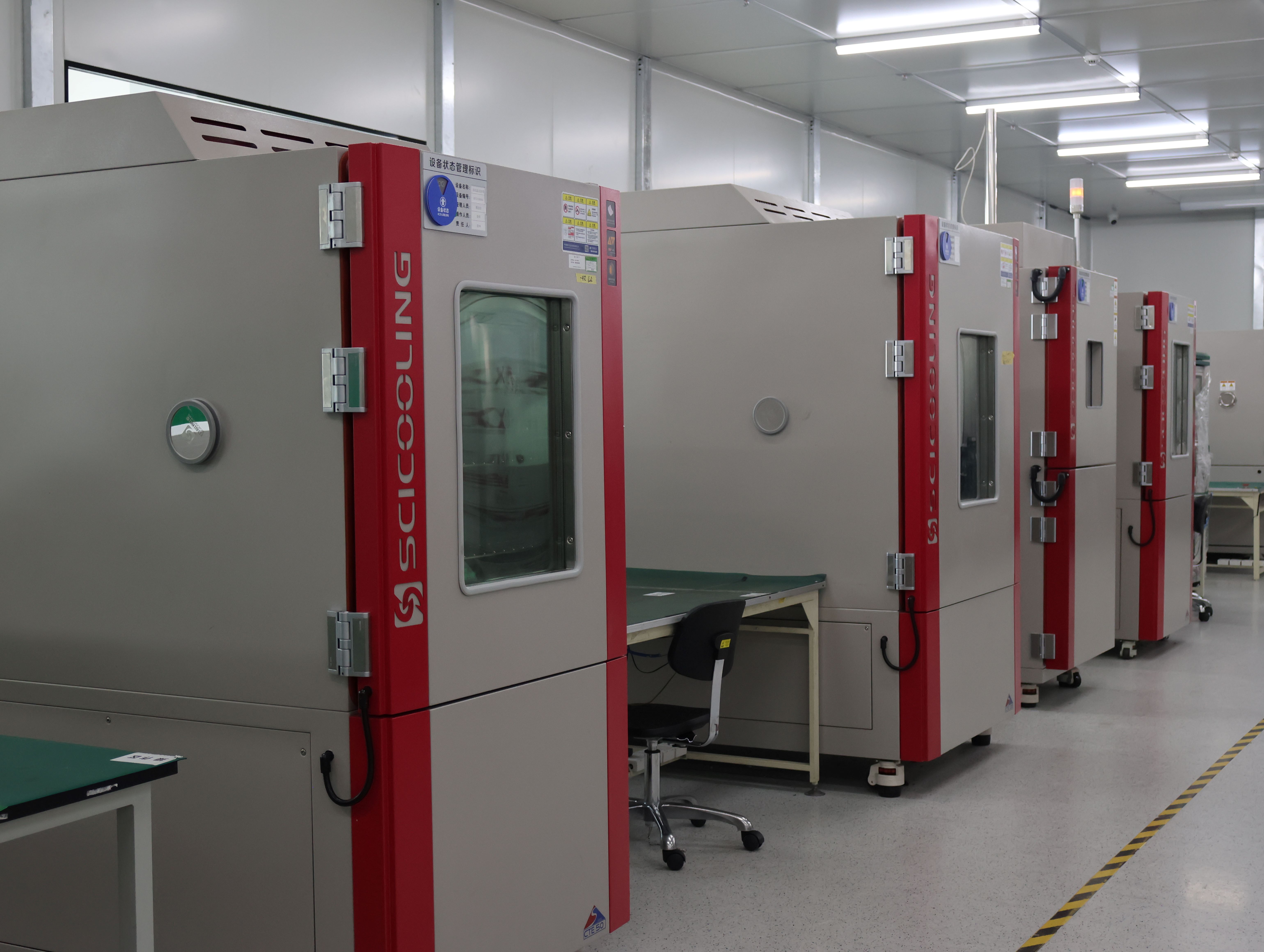
When evaluating a Smart Power Distribution Unit for data center, telecom, or industrial use, critical factors include socket‑level monitoring accuracy, remote control capability, network protocol compliance, and verifiable certifications. The BOMPDU Intelligent 2nd generation PDU delivers 0.5% voltage accuracy, individual outlet measurement and switching, RS‑485/Modbus connectivity, and a registered software copyright – all backed by a 5,000 m² facility with an annual output of 10,000 units and a dedicated R&D team of 12 engineers. With flexible OEM/ODM options and a 30‑day lead time, it is a viable candidate for mission‑critical deployments requiring both performance and compliance.