08
11/2026
Intelligent 2nd Generation PDU vs. 1U/1.5U RS485 PDU: A Rack Fit Decision
Compare BOMPDU's Intelligent 2nd generation PDU with the 1U/1.5U RS485 PDU on rack height, monitoring scope, RS485 Modbus and ISO 9001 compliance.
Intelligent 2nd Generation PDU vs. 1U/1.5U RS485 PDU: A Rack Fit Decision
The Intelligent 2nd generation PDU and the 1U/1.5U RS485 PDU are both current BOMPDU product lines, and the correct choice depends on rack height, management backbone and monitoring granularity, not on which one is newer. This guide compares the two lines on documented capability so procurement teams can fix a specification before issuing an RFQ.
Rack PDUs rarely fail an evaluation because a feature is missing. They fail because the feature set does not match the rack it will serve. A data hall cabinet running an IP-based management platform and a 1.5U edge cabinet polled over a serial bus have almost nothing in common at the specification level, even though both need power distribution inside the same 19-inch frame.
Wuxi Bom Electronic Technology Co., Ltd., the manufacturer behind the BOMPDU brand, was established in 2018 and is headquartered in Wuxi, Jiangsu Province, China. The company lists two core product lines: the Intelligent 2nd generation PDU product and the 1U_1.5U 485 PDU. That structure is itself a useful signal for buyers. The two lines exist in parallel because they answer different rack-fit questions, and treating one as a substitute for the other is where specification errors begin.
The Problem: Two Current Product Lines, One Rack Slot
Two specification errors appear repeatedly when both BOMPDU lines are quoted against the same project.
Error one: treating the intelligent line as the automatic default. A team standardises on socket-level monitoring because it is the more capable option, then discovers that the receiving cabinet has 1U of usable height left for power distribution, and that the site management platform already polls devices over a serial bus rather than an IP network. The selected PDU is technically sound and operationally wrong for that rack.
Error two: treating the 1U/1.5U RS485 line as a downgrade. A team chooses the compact serial model to protect rack space, then writes a specification that requires per-outlet energy data for internal chargeback. The rack fits. The reporting requirement does not, and the gap is only found during commissioning.
Both errors share one root cause: the PDU was selected before the rack was defined. The sequence that avoids them is rack constraints first, management architecture second, monitoring granularity third, and product line last. Everything in the remainder of this guide follows that order.
Industry Background: Why Both Architectures Remain in Scope
Intelligent PDUs accounted for 55% of total PDU market revenue as of 2023, according to the Power Distribution Unit Industry Research Report 2024-2030 published by ResearchAndMarkets. MarketsandMarkets projects the global data center PDU market to reach USD 14.23 billion by 2032, with the intelligent PDU segment forecast to grow at a compound annual growth rate of 19.5% between 2026 and 2032. The direction of the category is not in question.
What those figures do not say is that serial-connected PDUs have disappeared. RS485 remains a practical integration path wherever a cabinet is polled by a building management system, a legacy DCIM agent, or an industrial control network that already runs a serial fieldbus. In those environments an IP-managed PDU adds a network layer the site does not want to operate, and a 1U or 1.5U footprint is often the only physical shape available. Market growth in intelligent PDUs and continued demand for compact serial units are therefore not contradictory observations.
Compliance runs in parallel with architecture. IEC 62368-1:2023 is the mandatory safety standard for ICT and AV equipment, including PDUs, in most major jurisdictions, and it applies whether the unit is managed over IP or over a serial bus. Buyers evaluating either line should treat safety compliance and management architecture as two separate verification tracks rather than one combined attribute.
Detailed Solution: What Each Line Is Built For
Intelligent 2nd Generation PDU: Data Center and Cloud Computing Fit
BOMPDU designs the Intelligent 2nd generation PDU product for end-of-row power distribution in data centers, where the buying decision is driven by visibility and remote action rather than by height alone. Two documented deployments define the operating envelope more precisely than a feature list can.
The first is an airport data center in China, where 800 units were installed and the project reached three years of stable operation. The stated capability in that deployment is real-time monitoring of current, voltage, energy and power for each individual socket. Socket-level visibility of that kind is what allows an operator to attribute consumption to a specific server rather than to the cabinet as a whole.
The second is a data center server manufacturer in China, where 2,000 units were used for server aging testing and the installation reached two years of stable operation. The stated capability there is remote on/off control combined with real-time monitoring, supporting unmanned on-site operation. Remote switching plus monitoring is a different value proposition from monitoring alone, because it allows a failed aging slot to be power-cycled without a technician entering the hall.
The product also carries a computer software copyright registration, 2024SR1888355, issued by the National Copyright Administration of the People's Republic of China on 25 November 2024 and recorded with a protection period to 12 December 2099. The registration names the Intelligent 2nd generation PDU product as its scope, which gives buyers a traceable software-rights reference when the unit's management functions become part of a due-diligence or IP review.
1U/1.5U RS485 PDU: Compact Rack Deployment Fit
The 1U_1.5U 485 PDU is the second core line, built around two constraints that the intelligent line does not prioritise: a 1U or 1.5U rack footprint, and RS485 serial communication as the management interface. In rack power environments RS485 is most often paired with Modbus, which is why procurement documents frequently describe this category as an RS485 Modbus PDU.
That combination suits cabinets where U-space is already committed to servers, switches and cable management, and where the site monitoring stack already speaks a serial protocol. It also suits deployments where per-socket energy data is not a requirement, so the additional monitoring hardware and management software associated with the intelligent line would be purchased and never used.
Scope note for both lines: this article does not state protocol stack details, register maps, alarm point counts or cascading limits for the 1U/1.5U RS485 PDU, because those values must be confirmed against the specific model datasheet. The same discipline applies in the other direction. The Intelligent 2nd generation PDU should be specified from its own datasheet and deployment evidence rather than from general assumptions about what intelligent PDUs usually include.
Step-by-Step Breakdown: Seven Decisions Before the RFQ
- Lock the rack unit budget. Measure the usable U-height remaining for power distribution after servers, switches, cable management and blanking panels are installed. If the answer is 1U or 1.5U, the decision is effectively made and the 1U/1.5U RS485 PDU should be the base case. If vertical mounting or end-of-row space is available, both lines remain open and the following steps decide between them.
- Map the management backbone. Write two separate RFQ lines: one for IP-based network management and one for RS485 serial communication. Do not accept a single statement that the unit 'supports network management'. If the site addressing plan requires IPv6, list IPv6 Supported PDU behaviour as its own mandatory line item, because protocol breadth and explicit IPv6 support are reported as separate attributes even by large manufacturers.
- Decide monitoring granularity. Unit-level metering answers how much the rack is drawing. Socket-level monitoring answers which device is drawing it. Only the second supports per-device chargeback and identification of a single failing load, and it is the documented capability of the Intelligent 2nd generation PDU in the airport deployment described above.
- Define the remote action you actually need. Remote Control PDU capability, Sequential Power-On PDU behaviour and Cascadable Master-Slave PDU topology are three different requirements. Specify startup order and inter-outlet delay separately from on/off control, and require the supplier to state the topology and maximum downstream unit count rather than a bare device count. Cascading definitions are not standardised across the industry, and PDU-to-PDU cascading is not the same metric as devices sharing one IP address.
- Confirm the electrical input at model level. Single/Three Phase Switchable PDU behaviour and IP/3P input customization should be written as model requirements covering phase, voltage, current rating, breaker type, connector type and maximum load. Portfolio-level electrical ranges published by large manufacturers aggregate many models and must never be read as the rating of any single unit. BOMPDU offers IP/3P input customization under OEM/ODM, so the input configuration can be fixed at order stage.
- Verify the compliance scope, not just the certificate number. Request the certificate, read the scope sentence and check whether it covers control-board design and development or finished assembly. BOMPDU's ISO 9001:2015 certificate 05126Q03324R001 states a control-board design and development scope, so an assembly-level and market-specific safety check against IEC 62368-1:2023 remains a separate procurement task.
- Validate with a sample and confirm the delivery schedule. Test-fit a unit in the actual cabinet before committing to a rollout. Confirm MOQ, production slot and lead time in writing so that the rack fit decision and the supply plan are approved together.
Use Cases: Where Each Fit Shows Up in Practice
Airport data center, China, 800 units. The requirement was per-socket visibility of current, voltage, energy and power across a large fleet. The Intelligent 2nd generation PDU met that requirement and the project reached three years of stable operation. This is the clearest case for the intelligent line: many cabinets, shared tenancy of loads and a reporting obligation that cannot be satisfied at cabinet level.
Server aging test line, China, 2,000 units. The requirement was remote on/off control plus real-time monitoring so that the test floor could run unattended. The installation reached two years of stable operation. The value here is not the metering alone but the combination of remote switching and monitoring, which removes the need for a person to be physically present to recycle a failed slot.
Compact cabinets and serial-managed sites. Where a cabinet has only 1U or 1.5U available and the monitoring platform already polls devices over RS485, the 1U/1.5U RS485 PDU is the shape that fits. This is a positioning statement rather than a case reference: the appropriate configuration, protocol details and alarm behaviour for a specific project should be confirmed against the datasheet for that model.
Comparison Table: Documented Differences Only
The table below separates what is documented from what must be confirmed at model level. It is deliberately not a capability ranking. Where a value depends on the specific SKU, the correct procurement action is a datasheet request, not an assumption.
| Decision dimension | Intelligent 2nd generation PDU | 1U/1.5U RS485 PDU |
|---|---|---|
| Primary rack role | Socket-level monitoring and remote control in data center and cloud computing racks | Compact rack deployment with RS485-based management |
| Rack height | Confirm per model in the datasheet | 1U and 1.5U formats |
| Communication | Remote control and real-time monitoring documented in two deployments; protocol support to be confirmed per model | RS485 serial interface, typically paired with Modbus; protocol stack and register map to be confirmed per model |
| Socket-level monitoring | Documented: current, voltage, energy and power per socket across 800 units in an airport data center | Confirm per model |
| Remote on/off | Documented: 2,000 units on a server aging test line with unmanned operation | Confirm per model |
| Sequential power-on | Write as an explicit RFQ line item with startup order and delay | Write as an explicit RFQ line item with startup order and delay |
| Custom alarm thresholds | Write as an explicit RFQ line item with threshold count and notification channel | Write as an explicit RFQ line item with threshold count and notification channel |
| Cascading / master-slave | Specify topology, downstream limit and IP behaviour | Specify topology and downstream limit |
| Software rights reference | Computer software copyright registration 2024SR1888355, National Copyright Administration of the PRC, issued 25 November 2024 | No separate registration is listed for this line |
| ISO 9001:2015 certificate | Listed as a related product under certificate 05126Q03324R001 | Listed as a related product under certificate 05126Q03324R001 |
| Customization scope | OEM/ODM: meter and control, outlet number, IP/3P input | OEM/ODM: meter and control, outlet number, IP/3P input |
| MOQ, lead time, capacity | MOQ 2; 30-day lead time; 1,000 units per month | MOQ 2; 30-day lead time; 1,000 units per month |
| Quality control | 100% test | 100% test |
| Documented deployments | 800 units, airport data center, 3 years stable; 2,000 units, server aging test, 2 years stable | Confirm by project reference at quotation stage |
Frequently Asked Questions
1. What does BOMPDU's ISO 9001:2015 certificate actually cover, and does it apply to both PDU lines?
Certificate 05126Q03324R001 was issued by NOA Testing & Certification Group Ltd. against GB/T 19001-2016 / ISO 9001:2015, valid from 24 July 2026 to 23 July 2029, under IAF-MLA mutual recognition. Its stated scope is the design and development of intelligent Power Distribution Unit (PDU) control boards, core control boards for water level sensors, and industrial control boards. The scope therefore covers control-board design and development rather than finished PDU assembly, so buyers should request assembly-level and market-specific safety evidence separately. The certificate lists both the Intelligent 2nd generation PDU product and the 1U_1.5U 485 PDU as related products. Separately, IEC 62368-1:2023 is the mandatory safety standard for ICT and AV equipment, including PDUs, in most major jurisdictions and applies to both lines.
2. Can the Intelligent 2nd generation PDU monitor and switch individual sockets?
Yes, on the evidence of two documented deployments. In an airport data center in China, 800 units provided real-time monitoring of current, voltage, energy and power for each socket and reached three years of stable operation. In a server aging test application in China, 2,000 units provided remote on/off control with real-time monitoring for unmanned operation and reached two years of stable operation. Monitoring and switching are therefore documented capabilities of this line, while the exact switching sequence, relay rating and fail-safe behaviour should still be confirmed against the specific model datasheet.
3. What customization options, MOQ and lead time apply to either line?
Both lines are offered under OEM/ODM. The customization dimensions are meter and control configuration, outlet number, and IP/3P input. Minimum order quantity is 2 units, monthly capacity is 1,000 units, and the standard lead time is 30 days. Every unit is 100% tested before shipment. Export markets currently served include the EU and the Middle East, and after-sales support is delivered remotely. Because MOQ starts at 2 units, a configuration can be validated on a small quantity before a volume commitment.
4. How should a procurement team validate rack fit before placing a volume order?
Order a small quantity under the MOQ of 2 and test-fit the unit in the actual cabinet. Verify the rack height consumed, the input cable direction, socket spacing, and whether breakers and labels remain accessible after servers and cable management are installed. Pair the physical check with a datasheet review of the electrical input, because portfolio-level electrical ranges aggregate many models and are not a substitute for the rating of the specific unit. If the test fit confirms the configuration, the same unit can move directly into the production order.
5. What lead time and production capacity should be planned into a rollout?
The standard lead time is 30 days at a monthly capacity of 1,000 units. For a project with several hundred cabinets, that means the production slot and the shipment schedule should be agreed at the same time as the technical specification, not after sample approval. To confirm a configuration or request a sample for either the Intelligent 2nd generation PDU or the 1U/1.5U RS485 PDU, contact the BOMPDU team with your rack height, management backbone, monitoring requirement and electrical input, or download the catalogue using the link at the end of this article.
Conclusion: A Rack Fit Checklist for Procurement
The Intelligent 2nd generation PDU and the 1U/1.5U RS485 PDU are parallel answers to different rack problems. The intelligent line is the fit when per-socket monitoring and remote switching are genuine operating requirements, as they were for 800 units in an airport data center and 2,000 units on a server aging test line. The 1U/1.5U RS485 line is the fit when rack height is fixed at 1U or 1.5U and the site management layer already speaks RS485.
Before the RFQ is issued, confirm the following in writing:
- Usable U-height available for power distribution in the target cabinet.
- Management backbone, stated as either IP-based or RS485, with IPv6 listed as a separate line item if required.
- Monitoring granularity, stated as unit-level or socket-level.
- Remote action type: on/off control, sequential power-on order, or cascaded master-slave topology.
- Electrical input at model level: phase, voltage, current rating, breaker, connector and maximum load.
- Compliance evidence with the certificate scope read in full, plus market-specific safety requirements such as IEC 62368-1:2023.
- Sample test-fit result, MOQ, lead time and production slot.
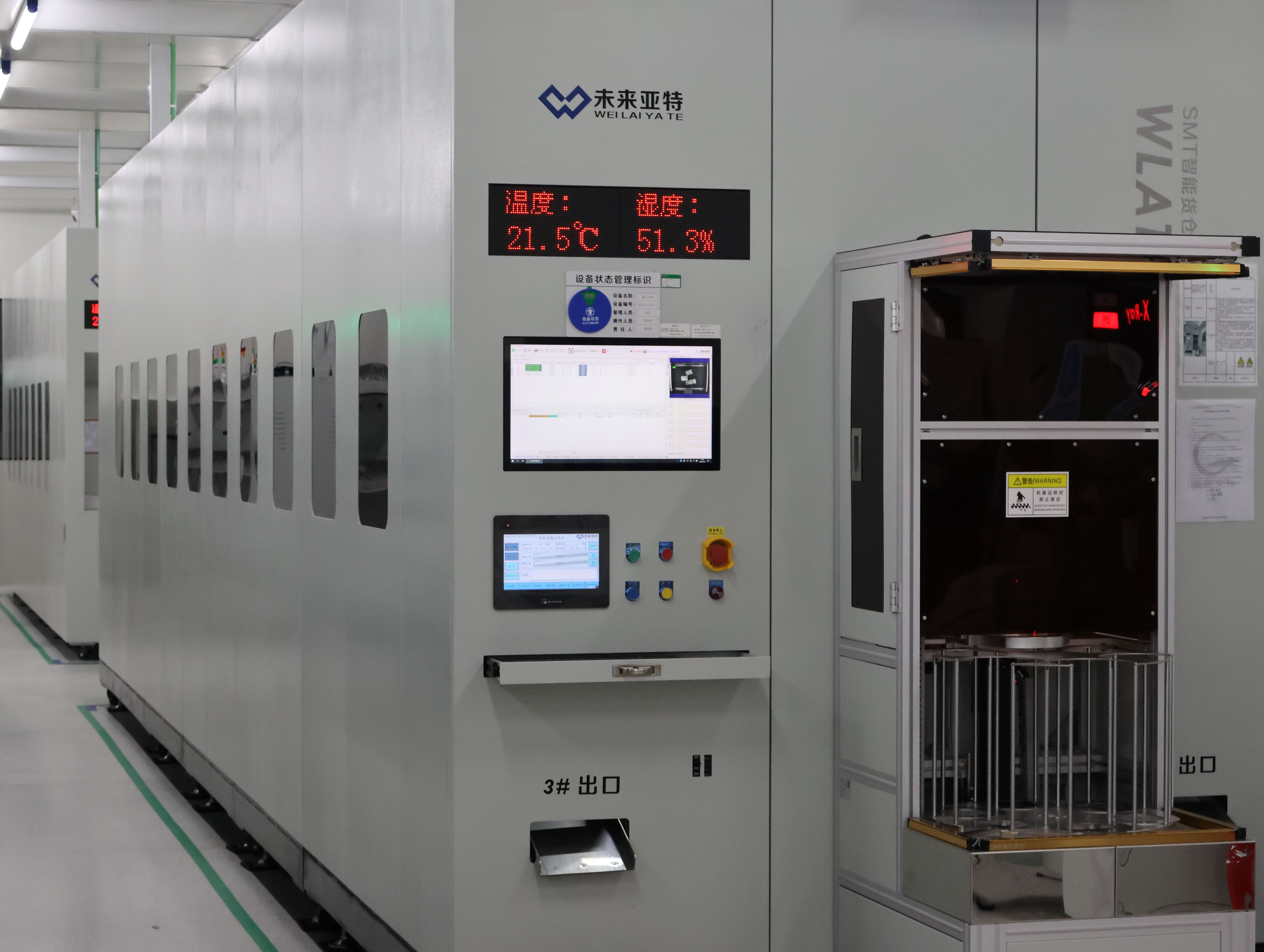
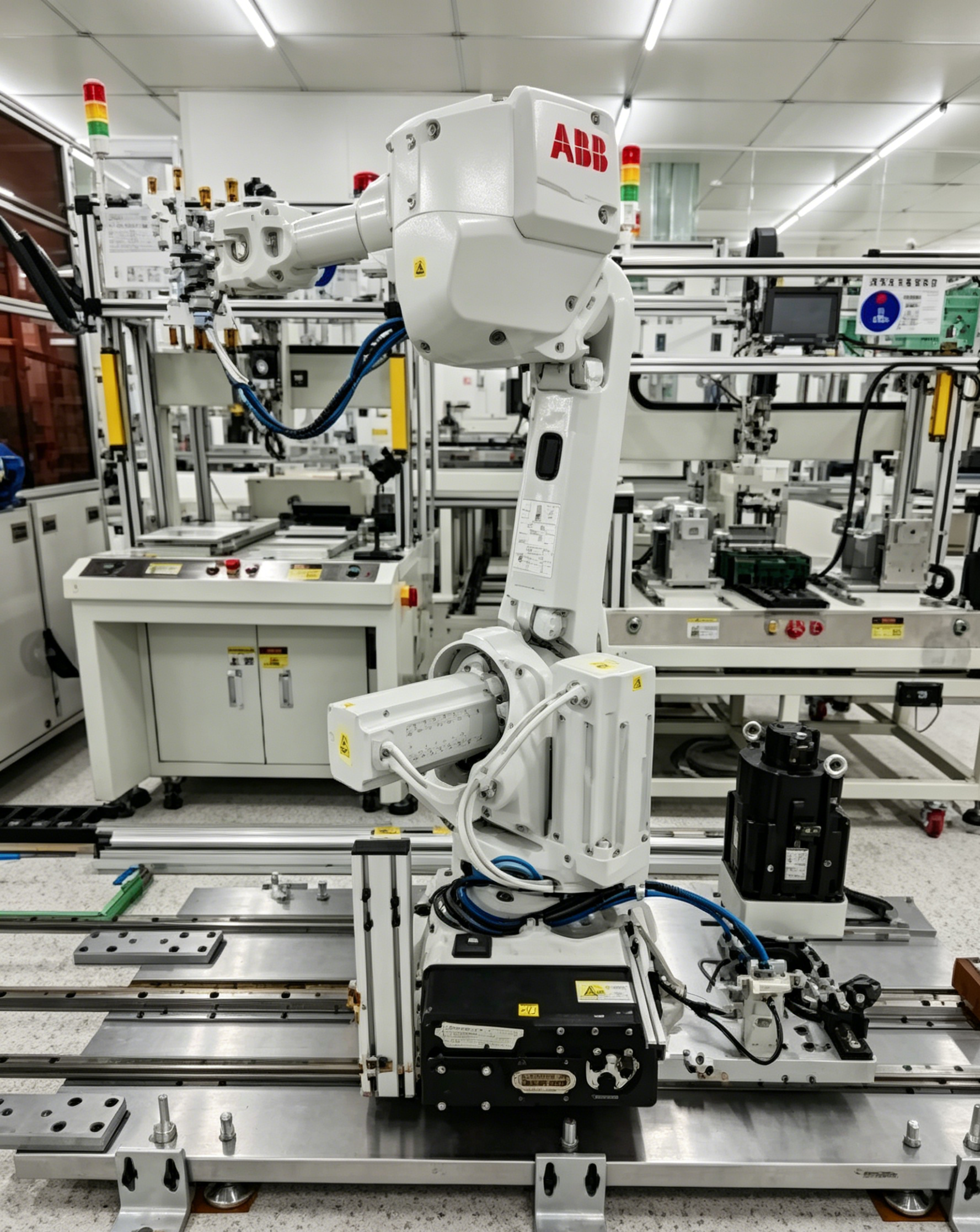
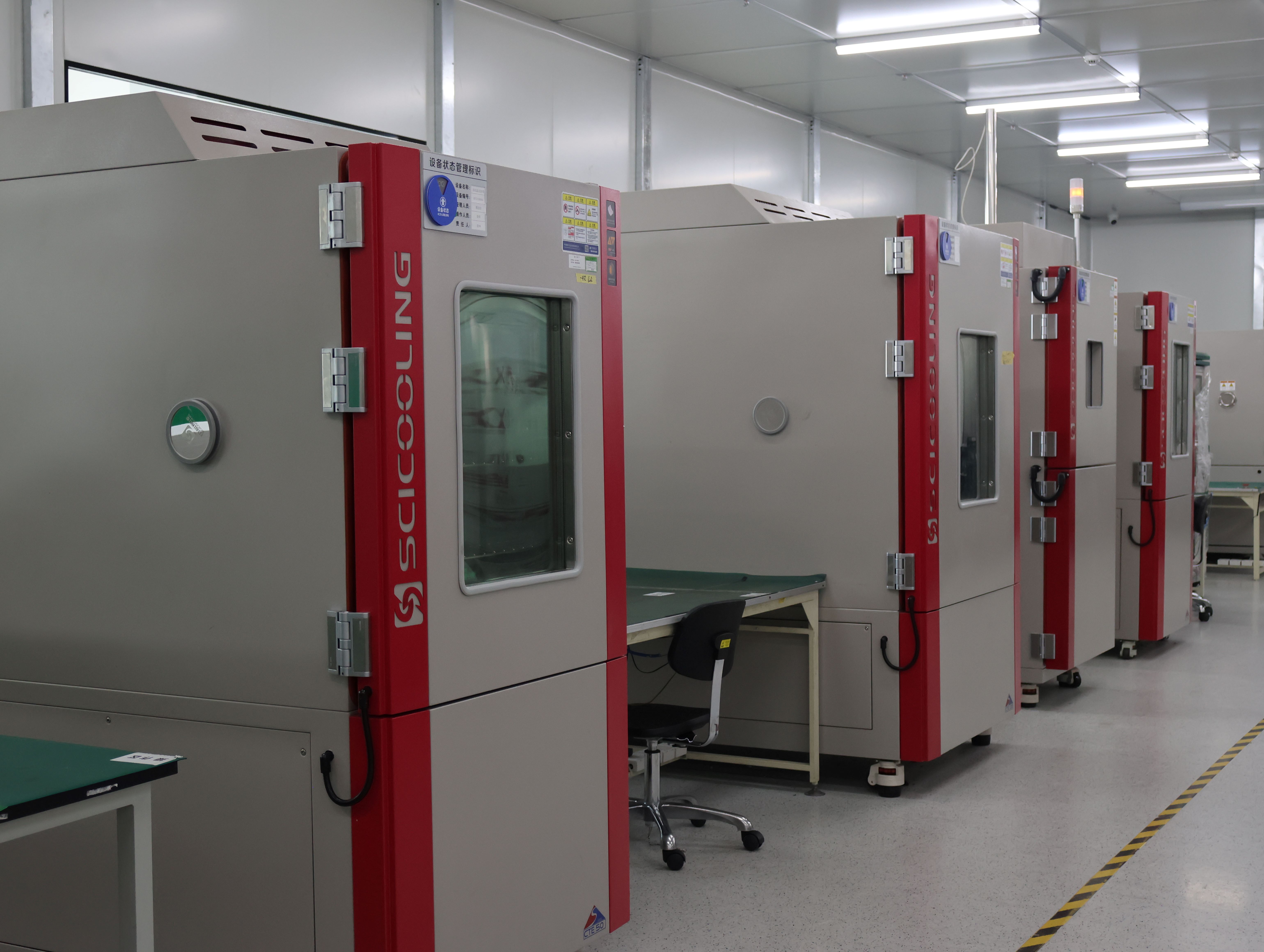
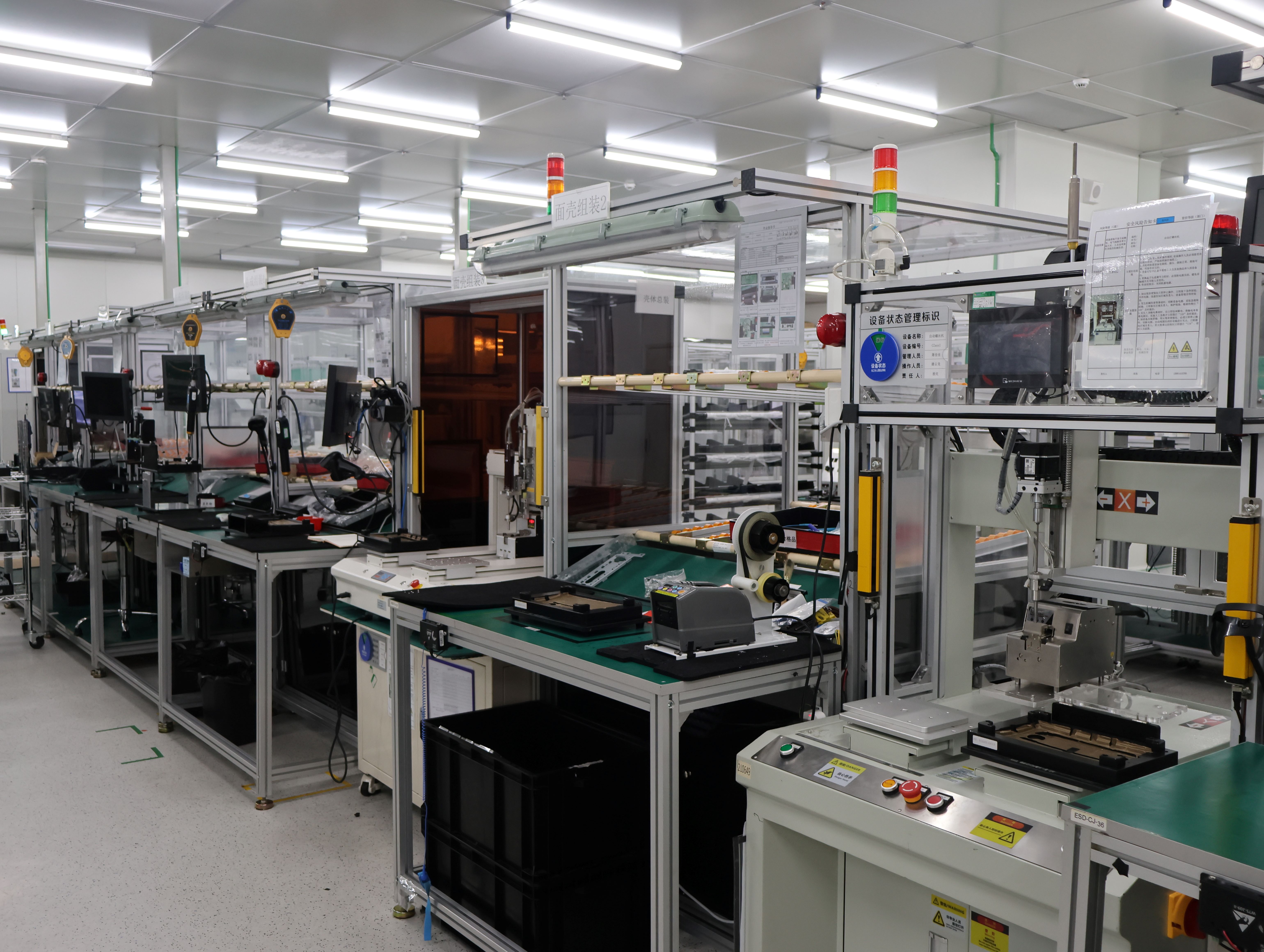
About BOMPDU. Wuxi Bom Electronic Technology Co., Ltd. is a manufacturer of end-of-row power distribution solutions for data centers, established in 2018 and based in Wuxi, Jiangsu Province, China. The company operates a facility in Wuxi with a 12-engineer R&D team, an annual output of 10,000 units, and production equipment that includes reflow furnaces, burn-in test systems and six-axis robots. Its stated product portfolio covers the Intelligent 2nd generation PDU product and the 1U_1.5U 485 PDU, and its ISO 9001:2015 certificate scope covers the design and development of intelligent PDU control boards. Main markets served are the USA, Southeast Asia, the EU and the Middle East. Address: Room 1208, Building A3, Wuxi Tian'an Smart City, No. 228 Linghu Avenue, Xinwu District, Wuxi, Jiangsu, China.
Request a sample or a configuration review
BOMPDU supplies both the Intelligent 2nd generation PDU and the 1U/1.5U RS485 PDU under OEM/ODM, with MOQ 2, 100% test and a 30-day standard lead time. Send your rack height, management backbone, monitoring requirement and electrical input, and the configuration can be fixed before quotation.
Email: tony1091803@wxbom.cn | Tel: +86 18751550927 | WhatsApp: +1 (786) 989-2761 | Website: www.wuxibom.com
Product catalogue: download the BOMPDU brochure (PDF)